


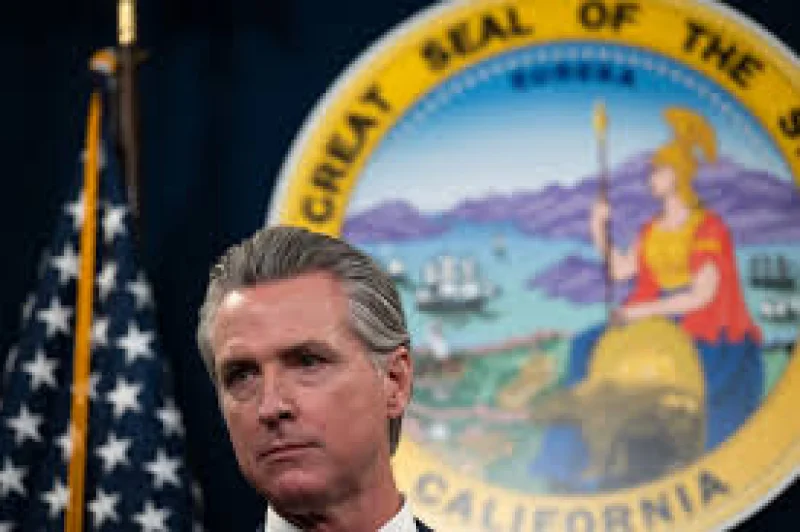
Gov. Gavin Newsom on Monday signed an executive order directing California agencies to look for ways to cushion workers from job losses tied to artificial intelligence, a move that comes as tech layoffs keep rattling the state and labor leaders demand stronger protections.
The order tells agencies to examine severance policies, subsidized employment and other supports for displaced workers, while also producing a report on how AI is affecting California’s labor market. It also calls for study of expanded job training, stock compensation, cooperative business ownership for workers and the way unions are bargaining over AI. Newsom signed the order as he heads toward a likely presidential run, putting him back at the center of a political fight over who bears the cost of automation.
The timing was hard to miss. Meta laid off 8,000 workers a day earlier, and CEO Mark Zuckerberg cited AI in a memo to staff after the cuts. Cisco and Block have also recently pointed to AI after laying off thousands of workers, deepening anxiety across the tech sector and beyond. Newsom’s order is the latest in a series of moves by the governor to balance California’s role as an AI hub with growing pressure to show he is not leaving workers behind.
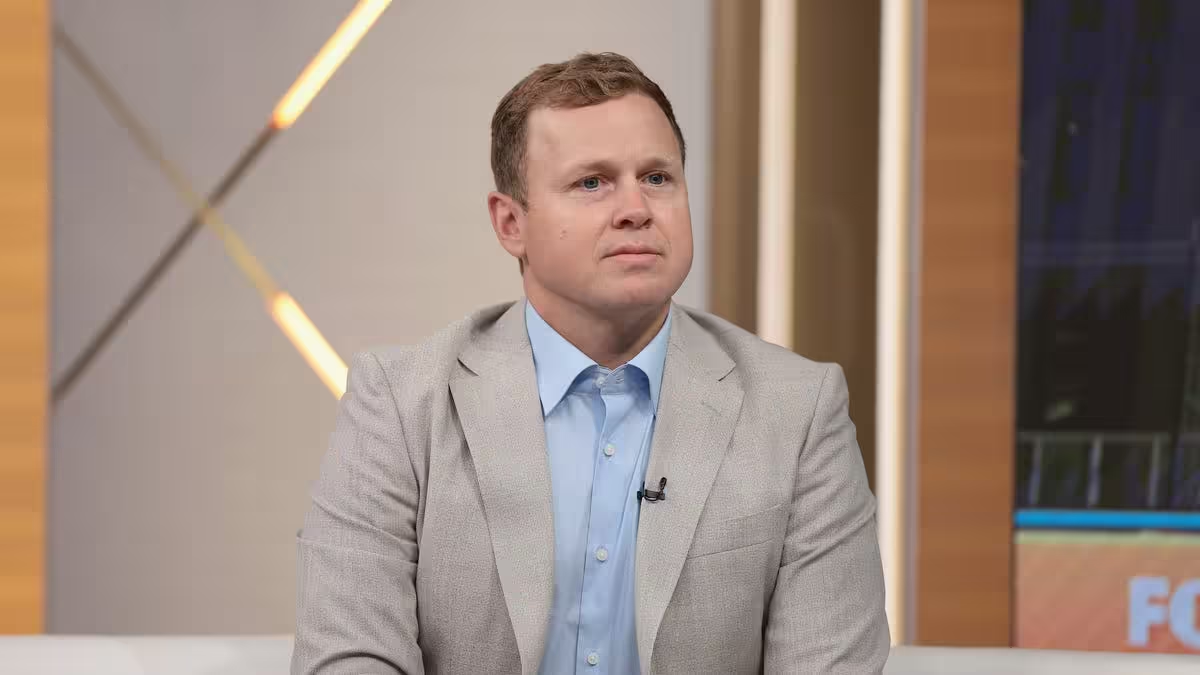
He had already signed executive orders in 2023 and again last month that simultaneously imposed AI protections and encouraged state agencies to use the technology. This latest step extends that approach, but with a sharper labor focus. It also arrived two days after the California Senate passed the No Robo Bosses Act, a bill that would bar businesses from using AI or other automated systems as the sole reason to fire or discipline a worker. Newsom vetoed a similar proposal last fall, and the new order does not go as far as the bill labor advocates want.
That gap is exactly what unions and their allies have been pressing on. In February, AFL-CIO president Liz Shuler, members of the California Labor Federation and labor leaders in Democratic primary states said they would pull support for a Newsom 2028 presidential campaign if he did not move to protect workers from artificial intelligence. Lorena Gonzalez said the new executive order is welcome but not enough, saying the state has to act now because catastrophic AI-driven job loss is not inevitable, but a political choice.
Newsom’s latest push also puts him in contrast with President Trump’s deregulatory approach to AI. Trump previously signed an executive order aimed at preventing states from regulating AI, and on Thursday he called off signing another order that would have sought testing of advanced AI models before use. For Newsom, the political logic is clear: California is trying to look ready for the technology’s growth while also showing voters and labor groups that it will not accept layoffs as the price of progress.
The question now is whether the state’s study-and-report approach will lead to real worker protections before the next round of AI-driven cuts lands. For now, Newsom has answered the immediate pressure with a policy signal, not a full shield.
