


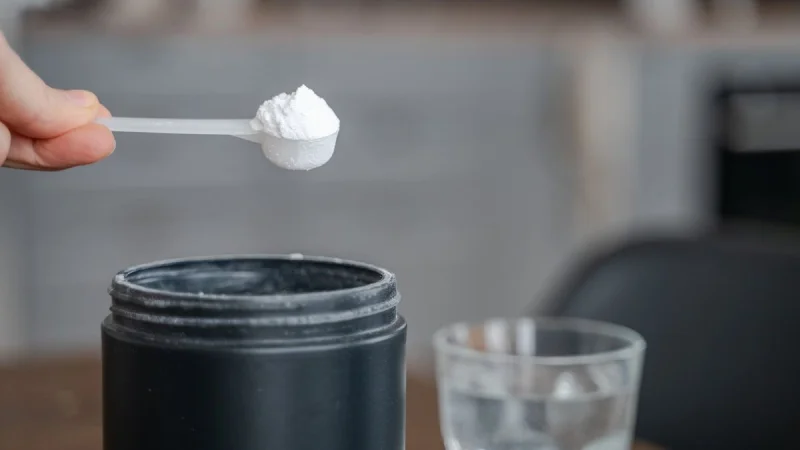
Creatine is getting a second life in women’s health, and Stacy Sims is one of the names pushing it into the conversation. The supplement, long associated with strength training, is now drawing attention for its possible role in healthy aging, especially for menopausal and postmenopausal women.
The appeal is simple. Creatine may help enhance lean muscle mass, strength, performance and recovery. It may also improve cognitive functioning and help combat menopausal brain fog, memory loss and mental fatigue. For women navigating the physical changes that can arrive during and after menopause, that combination has made the supplement harder to ignore.
Creatine is one of the most extensively studied supplements on the planet, but the latest interest is not about gym performance alone. It is a naturally occurring compound in the body that plays a major role in energy production and is crucial for maintaining muscle, bone and brain health. It is primarily stored in the muscles, where it serves as a fast-acting energy reserve, and it can also be found in raw red meat and fish.
Research is starting to connect those basic functions to aging women’s health. A 2021 study found that, when creatine supplementation was combined with resistance training, it could help preserve muscle mass, improve strength and potentially support bone health in menopausal and postmenopausal women. That matters because women naturally have 70 to 80 per cent lower baseline creatine stores than men, and hormone-related changes may make supplementation especially relevant during menses, pregnancy, postpartum and after menopause.
For menopausal women, the practical promise is clear: creatine may help preserve muscle mass, improve strength and physical function and potentially counterbalance bone loss. It may also matter for balance and fall prevention. When paired with resistance training, creatine supplementation may support bone health by improving balance and muscle strength, which can reduce the risk of falls.
Dr. Michelle Jacobson said the bone benefit may come indirectly, through the soft tissue that helps protect the skeleton. “The thought is that bone health is a bit of a secondary benefit from improving the other soft tissue structures that help make bones stronger,” she said. She added that improving muscle mass, ligaments and tendons can better protect the bones, and that resistance training and lifting heavier weights have an important role in osteoporosis prevention, preventing falls, burning more calories and keeping cholesterol down.
The European Food Safety Authority recommends at least 3 grams/day, together with regular resistance training three times per week, to improve muscle growth among adults over 55. Micronized creatine monohydrate powder is the most popular and cost-effective form mentioned in the discussion, making it the version most people are likely to encounter first.
The shift is not that creatine has suddenly become useful. It is that the evidence base around women, aging and menopause is making an old supplement look newly relevant. For women looking at strength, memory and bone health as a package rather than separate problems, creatine is moving from the margins of sports nutrition toward the center of the conversation.
That is the real change: a supplement once marketed mainly for power and performance is now being tested against one of the hardest transitions in women’s health, and the early research is pointing in the same direction.
