


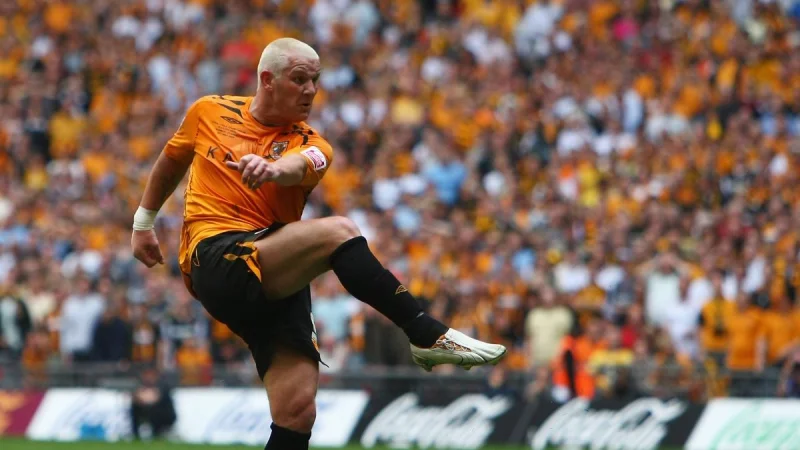
Dean Windass says a diagnosis of stage two dementia has left him facing an uncertain future, but the former Hull City striker is also using his own experience to push for changes in football training. The 57-year-old, whose name is tied to the goal that sent Hull into the Premier League in 2008, says the damage may already be done.
Windass, speaking after his diagnosis was revealed in January 2025, said doctors told him he could remain as he is for half a decade, a decade, or deteriorate. “They've said I could be like this for half a decade, a decade, or it could deteriorate,” he said. “I'm not happy about it; I wish they'd said I was all clear and then we wouldn't be having this conversation now. But look, I could go out and get run over by a bus tomorrow.”
The diagnosis became public when former Manchester United defender David May disclosed it on Breakfast after Windass gave him permission to speak. Windass said it was John Stiles, the son of 1966 World Cup hero Nobby Stiles, who persuaded him to have a scan. He has since argued that football needs to cut back on heading work in training if it is serious about reducing the risk of dementia later in life.
That message comes from a player who made his name in the air as much as on the ground. Windass was 39 when he scored the winner in the 2008 Championship play-off final against Bristol City, the goal that remains one of Hull City’s defining moments and still follows him wherever he goes. Now he says the questions around his health begin with the repeated headers that shaped daily training, not just the matchday spectacle. “When I got the diagnosis, they asked me how many footballs I headed. It's not the fact of matchday, it was those crossing and finishing drills every day. Or for centre-halves, heading it as far as they could,” he said. “After every session I'd do some finishing, head it in or volley it if they cross it in. I thought nothing of it. You couldn't think about dementia then, but now we can. So let's see if we can stop it at source now and reduce the damage.”
The fight over his health has spilled into his family life, too. Earlier in 2025, Windass said he no longer spoke to his two sons and made a public appeal for Josh Windass to get in touch. Josh signed for Wrexham last summer and enjoyed a standout season there, but his father said the breakdown in communication was rooted in his decision not to tell his children about the diagnosis. “I don't speak to my two kids now, but probably because it's my own fault as well, not telling them about the diagnosis because I didn't want to worry them,” he said. “Josh is in the public eye. I was trying to do the right thing but then it's backfired on me and it's breaking my heart. I put a post on Twitter the other day, 'Please get in touch, Josh,' because of what's gone on and it's killing me.”
Windass now sits at the center of two stories that still feel inseparable: the footballer whose most famous strike helped send Hull City up, and the man warning that the game he loved may have helped take something from him. For him, the next step is not another celebration at Wembley but a harder demand on the sport — fewer headers in training, and more honesty about what they can cost.
