The Golden State Warriors need more players in the middle of their careers, and Anthony Slater said this summer’s roster work should reflect that. He said the team probably wants a couple more mid-prime players and does not want to be built around 19-year-olds and 37-year-olds.
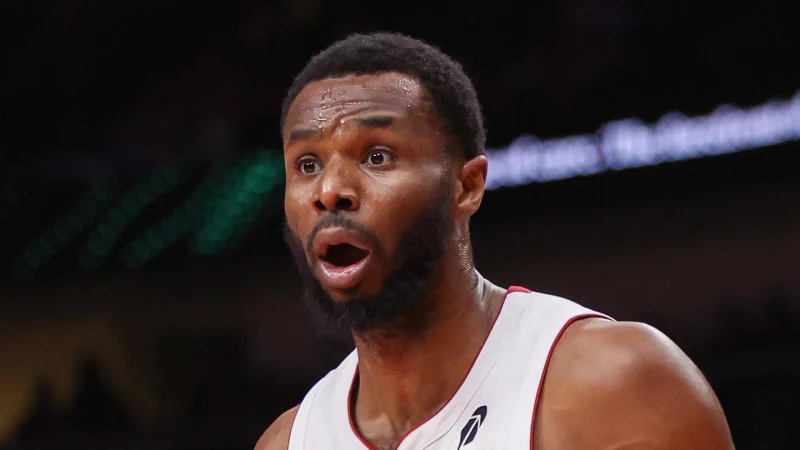
Slater pointed to the loss of Andrew Wiggins as part of that problem, saying the Warriors traded away one of the players who was in his late 20s or mid to late 20s when they made last year’s deal for Jimmy Butler. The point, he said, was not just age for age’s sake. It was the kind of body the roster no longer has enough of: a player in his prime who can handle both ends of the floor and stay available.
That matters because Golden State’s current structure has drifted toward the edges. The club had only five players on this season’s roster aged between 26 and 30, and none of those five was a bona fide starter when the team was healthy. That leaves the Warriors with a thin middle class, a problem that shows up most sharply when the games get heavier and the rotation needs stable two-way production.
Wiggins is the clearest example of what Golden State has been missing. He was a proven championship piece and, by the team’s own recent history, a reliable wing during a run that ended with a title. The Warriors also lost Jonathan Kuminga in February, when he was traded to the Atlanta Hawks, adding another player from the younger side of the age curve and further tilting the roster away from its prime years.
Then came the injuries. Butler and Moses Moody both suffered long-term knee injuries that will now bleed into next season, stripping away more of the very group Golden State needed to stabilize the roster. Those setbacks make the age imbalance more than an accounting exercise; they turn it into a practical problem for a team that has to find playable minutes while also planning for the future.
Slater’s framing was blunt. “You probably want a couple more mid-prime. That’s been I think the problem over the last few years. Like even remember you trade Andrew Wiggins. It’s like man you traded one of the guys that was like late 20's, mid to late 20s,” he said. He added that, “You don't want to be loaded with 19-year-olds and 37-year-olds.”
Golden State still has stars and it still has pedigree, but the roster shape around them is the issue. The Warriors have already spent multiple seasons trying to thread the needle between development and contention. The latest injuries and the thinner-than-ideal age band in the middle suggest the front office’s next move has less to do with finding more talent in general than finding the right kind of talent, the kind that sits squarely in its prime.
That is the challenge this summer: add players who can help now, not just later, and do it without leaving the roster even more top-heavy and bottom-heavy than it is already.