


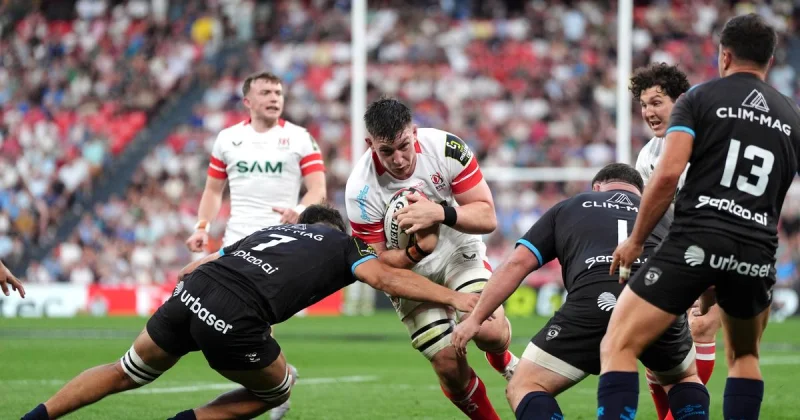
Bilbao is hosting the Challenge European final at San Mamés on Saturday, with Montpellier on one side of a sold-out 53,500-seat stage that has already been filled well before kickoff. It is the second time the Basque city has staged a European final, after Leinster beat Racing 92 by 15-12 there in 2018.
For Bilbao, the match is more than a fixture. The mairie applied to the EPCR to bring the event to the city, with backing from the Diputación de Bizkaia and the Basque government, and the result is another showcase for a place that has spent decades trying to present itself as open, modern and capable of handling major occasions.
The city, which has 350,000 inhabitants and 950,000 people in its metropolitan area, has used big events as part of that effort since the 1990s. The Guggenheim Museum opened in 1997 and became a symbol of that shift, while the return of a European final underlines how far Bilbao has moved from the old image of a city defined mainly by football. Rugby still sits far behind football, pelota basque and handball in the local sporting hierarchy, but this weekend it is the game drawing the biggest attention.
Iñaki Rica, who helped explain the city’s role in the build-up, said Bilbao had been “gâtés” by what it has received. He said the event shows the Basque Country has the skills to manage major events, and that the key point is not to expect a sudden rise in licensed players. “Ce n’est pas cela l’important,” he said. “L’important est de mettre en avant, de développer l’esprit sportif du Pays Basque.”
Rica also argued that rugby brings a different kind of connection from other sports. “Créer des liens,” he said, adding that the exchanges with Nouvelle Aquitaine show how the game can build links across borders in a way other sports do not always manage. That point matters in a city that has long been marked by football and has limited rugby roots, but has steadily leaned on international events to reinforce its place on the European map.
The challenge now is not whether Bilbao can host the occasion. The stadium is already full, and the city has already proved it can stage a final. What makes Saturday notable is that the Basque Country is using rugby’s arrival to say something broader about itself: that it can host the biggest matches, welcome the biggest crowds and still use them to strengthen a sporting identity of its own.
For readers following the club side of the final, Ulster Rugby’s long wait for silverware against Montpellier has been one of the central threads in the build-up, while the name Montpellier has also surfaced in other French sporting and legal headlines, from a television account of the Maeva Torres case to a handball route into a final against Düsseldorf. But in Bilbao, the focus is squarely on the stadium, the city and the statement it is making with a full house on Saturday.
