The Pentagon on Friday released a new batch of 64 UFO, or UAP, files, opening another window into a subject that has moved from rumor into the government’s own archives. The files, posted to the Pentagon’s UFO website, include six PDF files, seven audio files and 51 video files that can now be viewed online.
The release follows an executive order earlier in 2026 from President Trump directing that the files be made public. It is the second group of records posted to the Pentagon’s new UFO website, and the timing matters because lawmakers asked for the footage in March 2026, making Friday’s drop the latest step in a slow public airing of material that had sat inside defense systems for years.
The 51 videos are the most immediate draw. They show UAP footage from military aircraft, much of it found by the All-domain Anomaly Resolution Office, known as AARO. The Pentagon said many of the materials lack a substantiated chain of custody, which means they are being released as records of what was captured or collected, not as proof of what the objects were.
Still, some clips are detailed enough to place the viewer in a specific moment. Several descriptions note when and where the footage was likely taken. Many of the videos capture encounters that happened in U.S. Central Command’s area of responsibility between 2018 and 2023, including incidents over the Persian Gulf. One 2022 video with no location listed shows multiple spherical objects going in and out of the water near a submarine.

Another clip appears to show the moment a fighter jet shot down an unidentified object over Lake Huron in 2023. That case had already drawn broad attention after later reports suggested the object may have been a balloon operated by a hobbyist group, underscoring how quickly an unexplained sighting can become a national story before the details catch up.
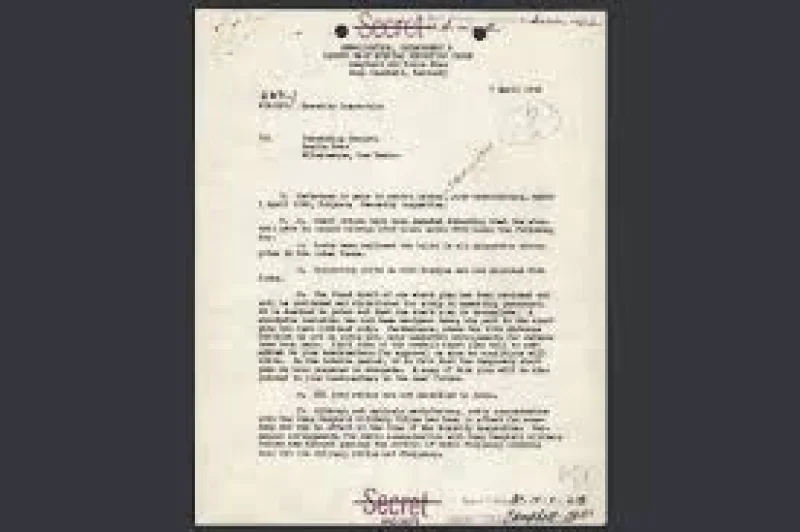
The written material reaches further back. The files include historical accounts of UFO sightings, a report on Soviet intelligence activities and Department of Energy records on UFO reports, including one from PANTEX, a key nuclear weapons facility. The audio files add a different dimension: recordings from NASA astronauts during the Apollo and Mercury missions as they described what they saw while in space.
Among the most striking items is a late 2025 account from a currently serving senior intelligence officer who investigated a military helicopter encounter and described what happened in language that reads less like bureaucracy than field report. He said he and the crew experienced “a series of close UAP encounters lasting over an hour,” and wrote that “in the distance, we saw countless orange orbs swarming in all directions against the backdrop of the mountain. The display lasted several minutes before fading,” before adding that the pilots and he observed “two large orbs flare up side by side, close to the helicopter — stationary and just above the rotor disk to our right. They were oval-shaped, orange with a white or yellow center, and emitted light in all directions.” He said the crew were “virtually speechless after these observations.”
The release is notable not because it settles what these objects were, but because it gathers old sightings, military videos, spaceflight audio and agency records into one public archive. The Pentagon has made clear that many of the materials cannot be fully traced, which leaves the central question unchanged even as the file count grows: the government is showing more of what it has, but not yet explaining what much of it means.
The next step is likely more disclosure from the same website. For now, the Pentagon ufo videos offer something rare in this debate — not a verdict, but primary records that let the public see the evidence that has long circulated behind closed doors.