


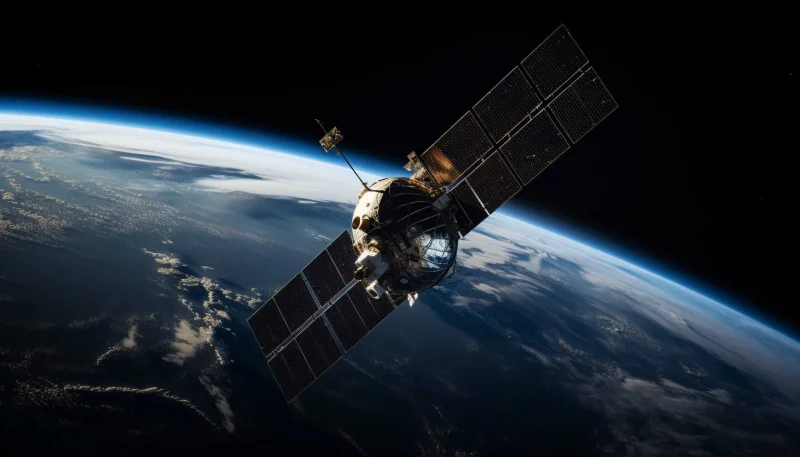
AST SpaceMobile reported a soft first quarter of 2026, with a loss that was wider than Wall Street expected and revenue that also came in below estimates. The company said BlueBird 7 was placed into a lower-than-planned orbit during the New Glenn 3 mission and is now expected to de-orbit.
The company reported a net loss of $191 million, or 66 cents per share, compared with the Zacks Consensus Estimate for a loss of 23 cents per share. Revenue rose to $14.7 million from $0.72 million a year earlier, but still missed the $38.2 million consensus forecast. For a company trying to build a global satellite broadband constellation, the quarter showed how far the business still is from scale.
AST SpaceMobile has spent heavily to get there. As of March 31, 2026, it disclosed about $1.8 billion of gross capitalized property and equipment costs, a sign of how capital-intensive the effort has become. The company says it wants to deliver cellular broadband directly from space to normal smartphones without special devices, a pitch aimed at the nearly 6 billion phones worldwide that still face coverage gaps.

The strategy depends on proving that it can manufacture, launch and activate satellites reliably while lining up telecom partners to carry the service to customers. The company says it owns the intellectual property and controls the manufacturing process for about 95% of the sub-systems used in its Block 2 BlueBird satellites, and it says a dedicated micron production facility in Texas is now fully operational. Those steps matter because the company’s execution risk runs through satellite production, telecom integration, regulatory approvals and commercial activation all at once.
That is where the latest launch setback lands hard. BlueBird 7 separated from the launch vehicle and powered on, but AST SpaceMobile said the altitude was not enough to sustain operations. The satellite is expected to de-orbit, a reminder that getting hardware into space is only the first hurdle in a market where direct-to-device satellite communications is heating up fast.
The competitive field is widening as SpaceX’s Starlink, Viasat and Globalstar expand their satcom infrastructure. AST SpaceMobile still has to prove large-scale consumer adoption, pricing, carrier monetization and long-term economics, all while building the ground network needed to support service. Investors are no longer waiting for the idea to be explained; they are watching for proof that it can work at commercial scale.
