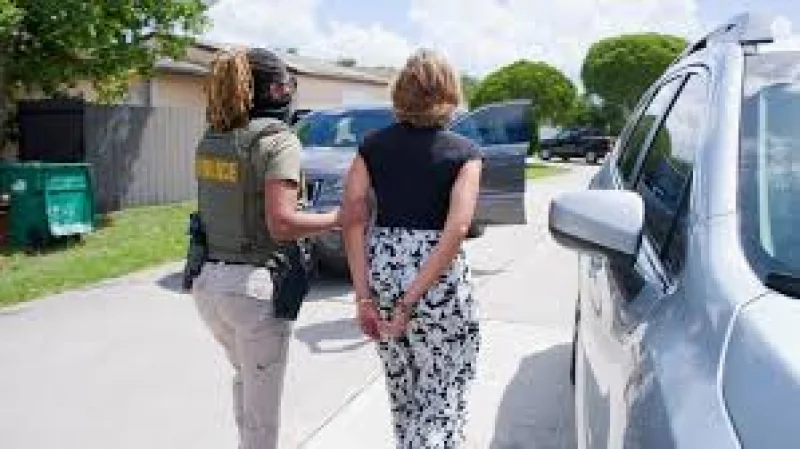
U.S. immigration authorities arrested Adys Lastres Morera in Miami on Thursday, saying the sister of the head of Cuba’s military conglomerate GAESA would remain detained until she is deported. The arrest came as Washington moved against another figure tied to Havana, deepening pressure on a network U.S. officials say is central to the island’s economy and the military.
The Immigration and Customs Enforcement announcement said Lastres Morera had been a lawful permanent resident since 2023 but had never applied for U.S. citizenship. John Condon said her presence in the United States could have “graves consecuencias adversas para la política exterior” and said Marco Rubio had determined she was “determinado que está sujeta a deportación bajo las disposiciones de la Ley de Inmigración y Nacionalidad.”
Rubio, posting on social media, said Lastres Morera “administraba activos inmobiliarios” and “ayudaba al régimen comunista de La Habana.” He also said he had revoked her permanent residence and warned, “No habrá ningún lugar en la Tierra —y mucho menos en nuestro país— donde los ciudadanos extranjeros que amenacen nuestra seguridad nacional puedan vivir con lujos.” The message made plain that the case was not being treated as an isolated immigration matter, but as part of a broader effort to squeeze the financial reach of Cuba’s ruling system.
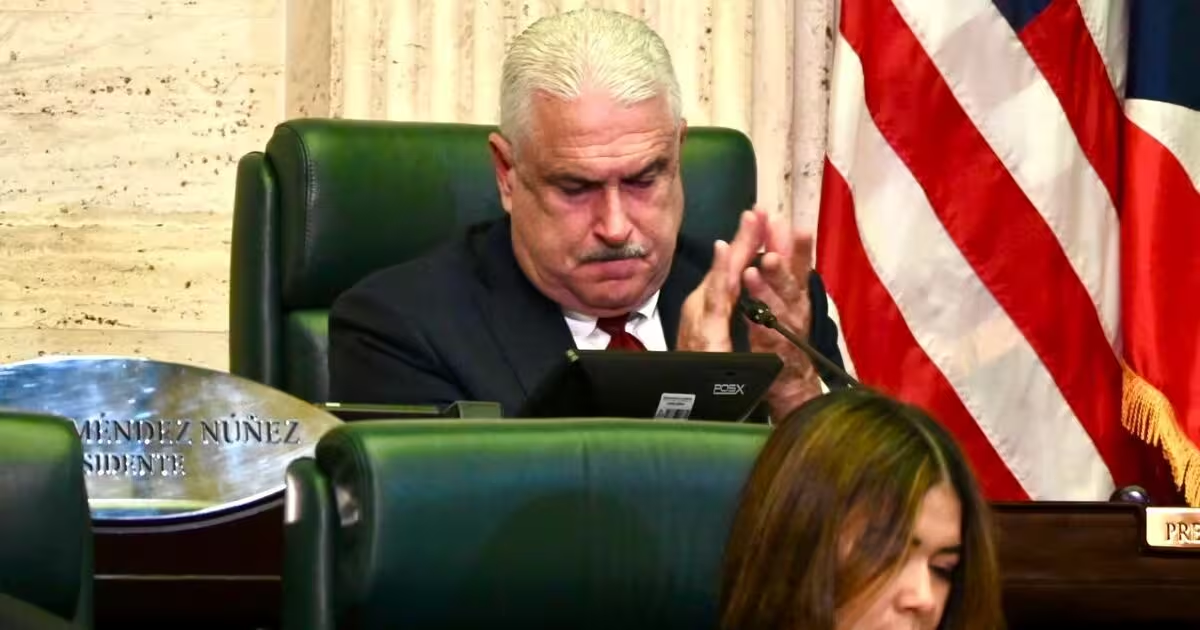
GAESA, short for the Grupo de Administración Empresarial S.A., is controlled by the Revolutionary Armed Forces and has a portfolio that reaches from hotels and telecommunications to retail companies, gas stations and the state bank that handles all of Cuba’s international transactions. It also controls remittances, free-trade zones and real-estate projects. U.S. authorities estimate the conglomerate controls 70% of the Cuban government’s assets, which they put at about 20,000 million dollars.
The group was led for years by Luis Alberto Rodríguez López-Calleja, who died in 2022. The arrest of his sister lands at a moment when Cuba is already straining under a severe economic crisis marked by near-constant blackouts and shortages of water, food and medicines, while relations between Washington and Havana remain tense.
That tension sharpened again on Wednesday, May 20, when the Department of Justice charged Raúl Castro with murder and other crimes over the 1996 downing of two aircraft from Hermanos al Rescate that killed four people. The timing underscored how quickly the Biden-era immigration and justice machinery is being used to reach into the circle around Cuba’s military and political elite, even when the target is a relative rather than a top official.
For now, Lastres Morera is being held in U.S. custody and faces deportation. The larger question is how far Washington is prepared to go in treating the family and financial ties around GAESA as part of the Cuban state itself.