


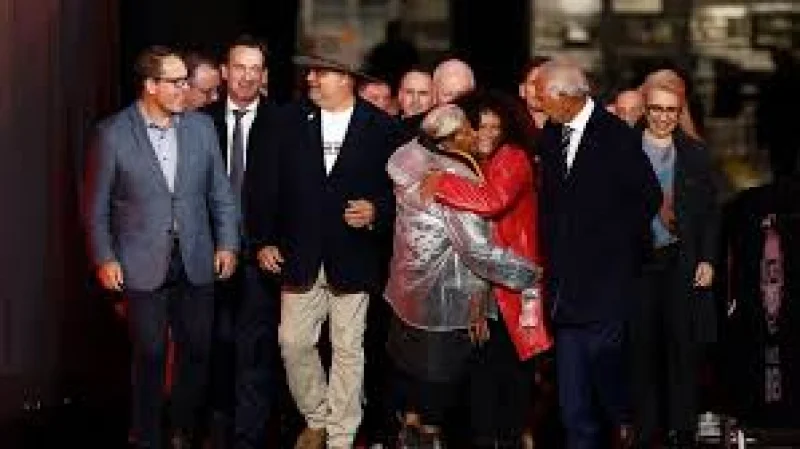
Michael Long is taking on The Long Walk again, 19 years after he first launched the movement, as he renews his fight for Indigenous rights to be heard. The push comes after the program said more than 26,000 students, teachers and community members took part in its initiatives over the past year.
The Long Walk said its programs reached communities across Victoria, New South Wales, Queensland, South Australia and the Northern Territory, a spread that shows how far the work has moved beyond a single annual march. In 2025, Dreamtime drew more than 40,000 attendees to major events surrounding the football game, while the Naarm festival and walk to the G brought in more than 20,000 people and was described as the largest single-event attendance to date.
The numbers matter because they show The Long Walk has become a national platform for education, cultural connection and reconciliation, not just a symbolic day on the calendar. Students joined Little Long Walks, cultural workshops and education programs; Ganbu Gulin connected more than 160 First Nations students across eight schools; cultural workshops were delivered at 34 sites around Australia; and the Marngrook Kids program reached more than 600 early learning students.
That reach is also what gives Long’s return its weight. The movement now runs through school workshops, community initiatives and the annual walk, with its influence extending into classrooms and public gatherings well beyond football. The scale is broader than the original march, and the latest figures suggest it is still growing.
The open question is not whether the name still carries force. It does. The question is whether the momentum now around The Long Walk can keep turning attendance into lasting change for the rights Long says must be heard.
