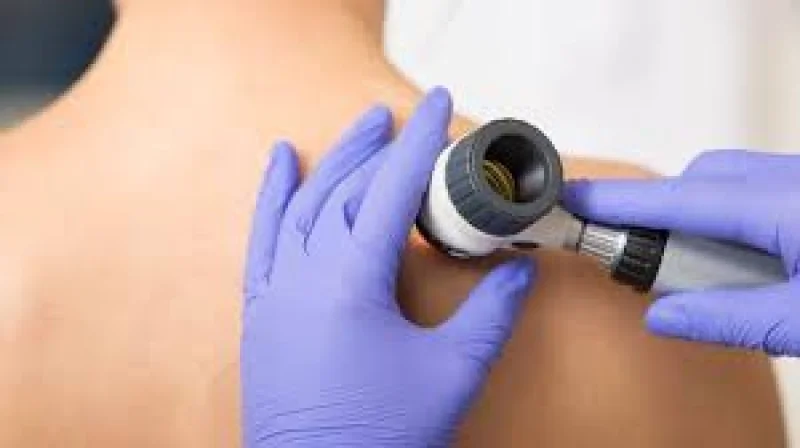
Melanoma cases in the UK have passed 20,000 for the first time, with new analysis showing 20,980 people were diagnosed in 2022. The rise comes as yellow heat health alerts were issued across England for the bank holiday weekend, when temperatures were expected to reach up to 30C in some parts of the country.
Cancer Research UK says the disease, the fifth most common cancer in the UK, is now heading towards 26,500 new cases a year by 2040. It projects a 23% rise in melanoma cases in men and a 26% rise in women, with the overall increase driven by the UK’s growing and ageing population.
The scale of the problem is tied to sun exposure. Nearly nine in 10 melanoma cases in the UK are caused by overexposure to UV radiation from the sun and sunbeds, and having five or more sunburns doubles the risk of melanoma. That makes the bank holiday warning more than a forecast of uncomfortable weather; it is a prompt for people to think about the damage that can build up in a single weekend and over a lifetime.
Michelle Mitchell, the chief executive of Cancer Research UK, said most of these cases are preventable and urged people to take sun safety seriously by seeking shade, covering up and using sunscreen. She also said anyone who notices a new or changing mole, a sore that does not heal, or an area of skin that looks unusual should contact a GP, adding that early diagnosis and treatment can make all the difference.
Fiona Osgun, a senior health information manager at the charity, said sunburn is a clear sign the skin has been damaged and can happen even on cooler or cloudier days. She said the best protection when the sun is strong is shade, especially in the middle of the day, along with a hat, sunglasses and sunscreen of at least SPF 30 and four or five stars, reapplied regularly.
The warning matters because the pattern of where melanoma appears is not the same for men and women. Four in 10 melanomas in men are found on the torso, including the back, chest and stomach, while about 35% of melanomas in women are found on the lower limbs, from the hips to the feet. Last year, Cancer Research UK published analysis showing those body locations differ, a reminder that people often miss the places most worth checking.
Prof Peter Johnson, the national clinical director for cancer at NHS England, said melanoma is one of the most preventable cancers and described the figures as a stark reminder of the importance of staying safe in the sun. The message is sharpened by the timing: with hot weather expected over a holiday weekend, the risk is not abstract, and the advice is simple enough to act on now.
The figures make the trajectory plain. Melanoma cases are already above 20,000 a year, and if current trends continue, the UK could be dealing with 26,500 new diagnoses annually by 2040. For people heading outdoors this weekend, the next step is immediate rather than distant: protect skin, avoid burning, and get anything suspicious checked sooner rather than later.