


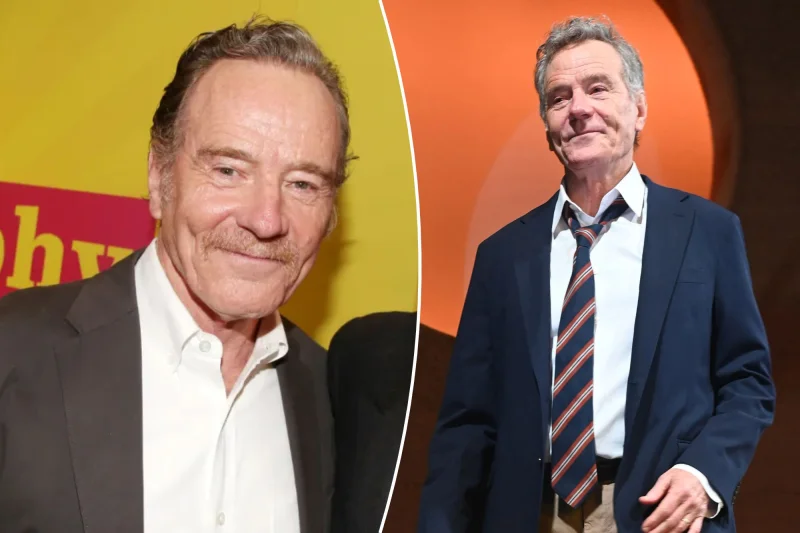
Bryan Cranston said he expects the London revival of Arthur Miller’s All My Sons to make its way to Broadway next spring, after a run that brought him back to the stage alongside Marianne Jean-Baptiste and Paapa Essiedu. The two-time Tony winner made the comment Monday night at the opening night party for Celebrity Autobiography at Redeye Grill.
The 70-year-old said he would be delighted if a passage from his own memoir turned up in the show. “I’d be honored if something that was found in my autobiography was read onstage,” Cranston said. He added that if it happened, “I’d be, like, ‘Oh my God, I remember writing that!’”
Cranston said he wrote his autobiography 10 years ago and has enough material for another book. He also said he and a group of character actors are working on a book project for charity, part of a night that leaned heavily into the private jokes and public lives of performers.
The timing matters because the London production has already stirred interest beyond the West End. Cranston said he saw the show in December, and the revival, directed by Ivo van Hove, featured Paapa Essiedu just months after he won the Olivier Award in April. A transfer would put another high-profile Miller production back in front of Broadway audiences with one of the stage’s most familiar television stars at its center.
That path, Cranston said, is not an easy one for actors in New York. “There’s no money in it,” he said of theater work. “You actually are losing money by doing theater. That’s how difficult it is for actors who are here in New York just doing theater. They have to constantly be working.”
The blunt assessment fits the rest of Cranston’s stage career. He has already won two Tony Awards for All The Way and Network, and his return to All My Sons underscored how rarely a production can gather commercial pull, critical interest and award-winning talent at the same time. If the transfer happens next spring, it would give Broadway a major revival with a built-in story and Cranston another turn on the stage he says demands more from performers than it pays them back.
