


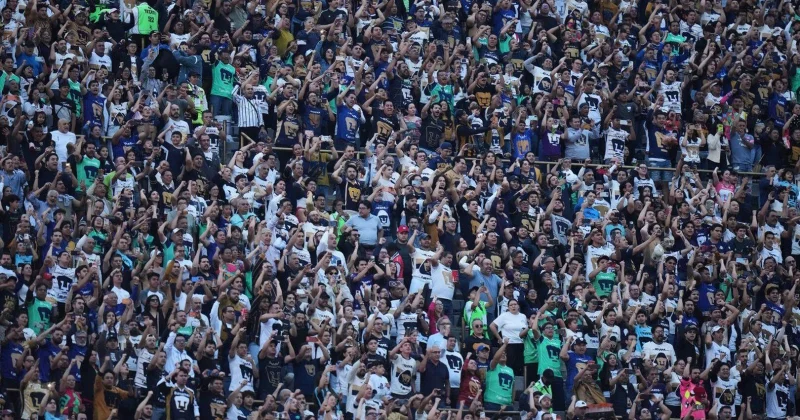
FIFA has unveiled the social impact campaigns that will run across all 16 World Cup venues this summer, but the lineup leaves out Unite for Inclusion, a message that had been central to the 2023 Women’s World Cup. The omission lands on IDAHOBIT, as Mexico Soccer fans and rights campaigners count down 25 days to a men’s tournament that begins in Mexico City and will be staged during Pride Month.
The tournament will be a 104-game event, with the vast majority of matches played in the United States, and FIFA said the campaigns will appear on stadium screens, LED boards and player sleeve patches. The federation said the World Cup will feature Football Unites the World, No Racism, Be Active, Unite for Peace and Unite for Education. In February, a FIFA release also confirmed a report that No Racism would return after being minimized at the Club World Cup, showing the governing body is willing to restore some messaging after criticism, even as it leaves inclusion wording off the main World Cup slate.
The gap matters because the women’s tournament in 2023 used Unite for Inclusion to explicitly back the fight against discrimination, including LGBTQ+ inequality and gender bias. That language is missing from the men’s World Cup now set for 2026, even as it will unfold during Pride Month and largely in the United States, where LGBTQ+ rights and protections have recently rolled back at state and federal levels. The decision gives FIFA a softer public script at the very moment the tournament’s setting makes exclusion harder to ignore.
That tension is not new. Data compiled from the Qatar World Cup four years ago pointed to a toxic social media environment for players, coaches and match officials, and homophobia was among the most common forms of targeted harassment. FIFA’s anti-racism messaging will be visible, but the omission of a specific inclusion campaign suggests the federation is still choosing which parts of discrimination it wants to name in the game’s biggest showcase.
Dr. Alex Jackson, who has worked around anti-discrimination history in football, said the wider display ties together the history of leading Black players with campaigns against racism and homophobia in the sport. Jackson also recalled opening the box containing the Justin Fashanu Cup when it reached the National Football Museum in 2011, saying both he and his desk were glittery for some time afterward. The football calendar now pushes that history back into view, but this time the question is whether FIFA is prepared to give inclusion the same prominence as its broader slogans when the World Cup opens in Mexico City in just over three weeks.
