


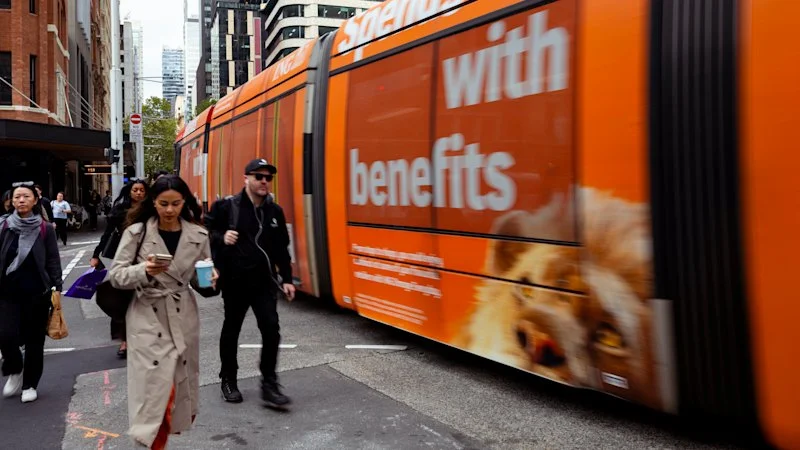
Australia’s unemployment rate rose to 4.5 per cent in April 2026, the highest level since the Delta strain of COVID hit the country in late 2021, after employment fell by 18,600 people and New South Wales shed 44,000 jobs.
The jobs report immediately changed the market view of the reserve bank of australia. Traders cut the perceived chance of a rate rise at the June 2026 meeting to 9 per cent, and also eased expectations for August, as investors began to price in the risk that the central bank may have to start cutting rates next year if unemployment keeps climbing toward 5 per cent.
The numbers landed against a softer broader backdrop. Annual jobs growth slowed sharply, falling from 258,000 in the 12 months to March to 129,000 in the year to April, while the employment-to-population ratio slipped to a four-year low. That made April look like more than a routine monthly wobble, even though the figures were taken during the Easter school holidays, when labour force data can be distorted.
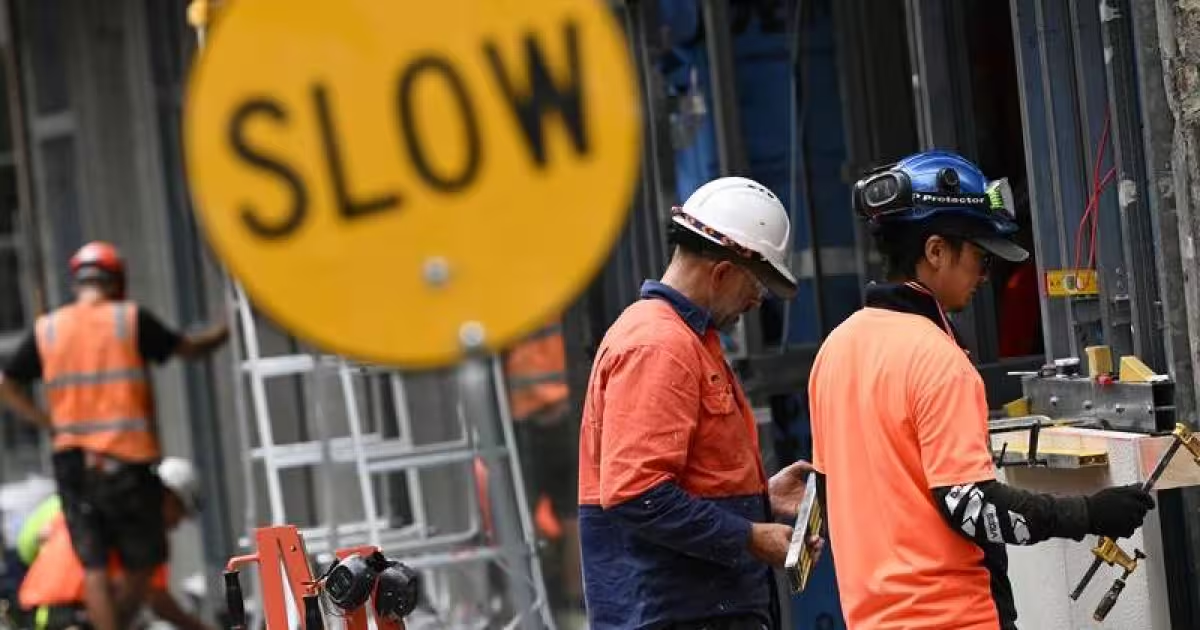
Paul Bloxham said the report was the kind of decisive marker economists had been waiting for to confirm that the economy had already entered a downturn, pointing to weaker sentiment readings already showing up in other parts of the economy. He said the jobs data, together with a sharp fall in consumer and business confidence, lower auction clearance rates and signs that housing prices were also easing, painted a picture of an economy already in decline.
The tension in the data is that the labour market is still adding jobs over the year, but at a much slower pace, and the headline unemployment rate is now above the Reserve Bank’s and federal Treasury’s most recent forecasts. The April reading also came after the full impact of the Reserve Bank’s February and March rate rises hit borrowers, while the month was clouded by the fallout from the war in Iran, which pushed fuel prices up by almost 40 per cent.
Employment Minister Amanda Rishworth said the figures demonstrated the ongoing resilience of the Australian labour market, arguing that unemployment, despite its uptick, remained low by historical standards. Shadow treasurer Tim Wilson took the opposite view, saying the government had promised unemployment would fall but it was now climbing.
The next test comes with the Reserve Bank’s June meeting, where the market has already sharply reduced the chance of a move. If the jobless rate keeps edging higher through winter, the question will not be whether rates stay on hold, but how long the central bank can wait before the labour market forces its hand.
