


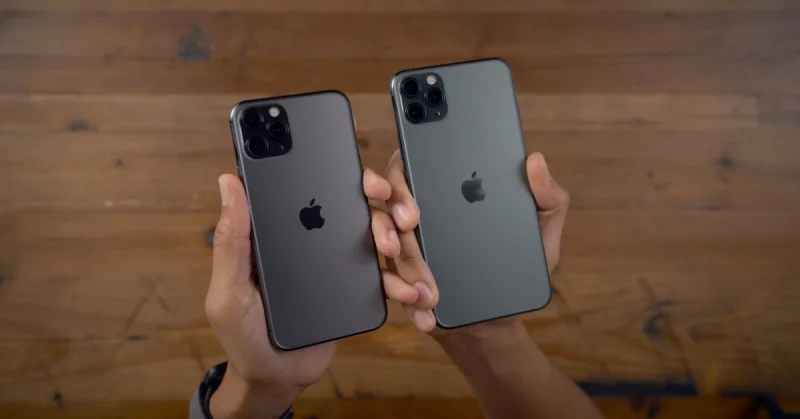
Apple has officially drawn the line on iOS 27, and the cutoff lands on older phones with the A13 Bionic chip. The iPhone 11, iPhone 11 Pro, iPhone 11 Pro Max and iPhone SE (2nd generation) are not eligible for the next upgrade, even as Apple prepares the first beta for June 8, 2026.
The compatibility list marks a clear shift in Apple’s software priorities. Devices launched in 2019 and 2020 are being left behind for iOS 27, while newer models are moving ahead. Apple is focusing support on phones with more advanced processors, including the iPhone 17E and iPhone 17 Pro, according to the reported compatibility list tied to the apple ios 27 wwdc leak.
For owners of the unsupported models, the immediate consequence is not a dead end. Apple is expected to keep those phones on iOS 26, where they will continue to receive updates, security patches and bug fixes. That gives users of the iPhone 11 line and the second-generation iPhone SE another cycle of support, but it also confirms that their run with major new iOS releases is ending.
The decision fits Apple’s long-running pattern of narrowing major software updates to hardware with stronger processors and newer feature sets. iOS 27 support is being aimed at devices that can handle the company’s latest software demands, and that leaves older phones out of the next round. The move matters because millions of people still carry devices from 2019 and 2020, and they now have a clear signal that the biggest changes are moving on without them.
The unanswered question now is how quickly users will respond once the beta arrives on June 8, 2026. Some owners will stay on iOS 26 and ride out the security updates. Others will take the compatibility cutoff as the point at which an older phone becomes due for replacement.
