Channel 5 has aired Under Suspicion: Kate McCann, a one-hour docudrama that turns two 2007 police interrogations of Kate McCann into television drama. The programme arrives 19 years after Madeleine McCann vanished and asks viewers to sit through the same questioning that once made the case feel like a verdict in search of evidence.
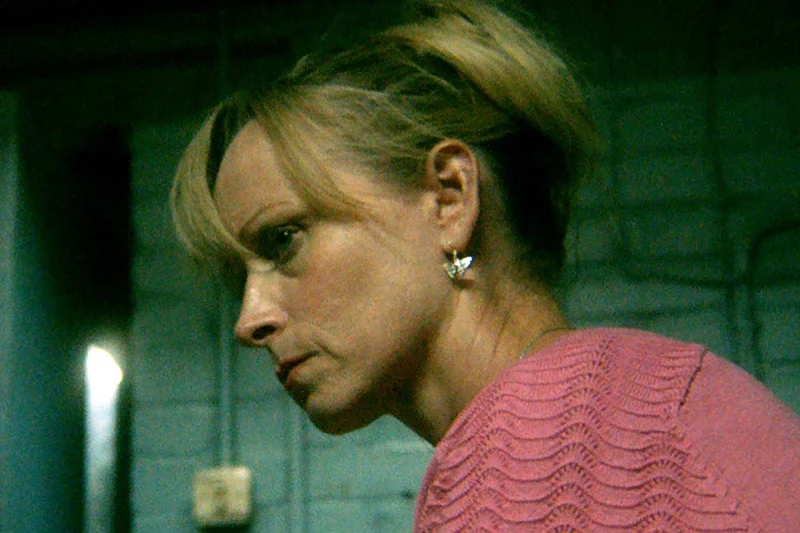
Laura Bayston plays McCann, who is shown being asked to relive the night Madeleine disappeared. In one moment, McCann’s reaction is summed up in the line: “Really? Again?” It is a small line, but it captures the mood of a story that has been replayed so often that even the questioning now feels like part of the legend.
The weight of the programme is not in the re-enactment itself but in what it revisits. Portuguese police officially declared the McCanns suspects 98 days after the night Madeleine vanished. That status, known as arguido, was lifted in 2008, and five years later police formally apologised for their handling of the case. The show is being presented as the first TV dramatisation of the Madeleine McCann saga in 19 years, which makes its focus on those interrogations feel less like background detail and more like the point.
The broader context is unavoidable. Conspiracy theorists have long believed Kate and Gerry McCann were involved in Madeleine’s disappearance, and the article argues that much of the supposed evidence behind those suspicions was bogus or so inconclusive that it was largely worthless. That matters because the drama does not land as a neutral historical recreation. Its timing and its choice of subject make it read like a referendum on the McCanns, especially on Kate, whose name has remained central to the story for nearly two decades.
That is where the friction lies. A programme can insist it is only dramatizing police questioning, but the case it is handling has already been through years of suspicion, public argument and official retraction. The apology came five years after the arguido status was lifted, and yet the suspicions never fully disappeared from public life. By returning to the interrogations now, the show reopens a file that the police themselves once handled badly and that parts of the public never stopped treating as open.
What happens next is less about the broadcast than about the reaction it invites. The drama is now part of the long afterlife of the Madeleine case, and it will be judged by whether viewers see it as a serious revisit of a police failure or as another round in a story that has already been distorted enough. Either way, Under Suspicion: Kate McCann has put the McCanns back at the center of the narrative in the bluntest possible way.