The Justice Department has ordered Apple and Google to turn over user data tied to EZ Lynk Auto Agent, a move that pulls at least 100,000 people into a new emissions probe. The subpoena asks for records from people who downloaded the OBDII app as federal investigators press ahead with a case centered on diesel truck modifications.
The government has accused EZ Lynk of purposely helping customers alter their vehicles in ways that violate the Clean Air Act, and consumer rights advocates are now asking why prosecutors need identities, addresses and purchase histories to build that case. That question sits at the center of the dispute, because the data request reaches far beyond the company itself and into the phones and accounts of ordinary users.

This is not the first time EZ Lynk has been in the government’s crosshairs. Five years earlier, the Justice Department sued the company and said it had refused to cooperate with an Environmental Protection Agency investigation. The new subpoena, described as part of a fresh emissions probe, shows the inquiry has moved from the company’s conduct to the people who used its software.
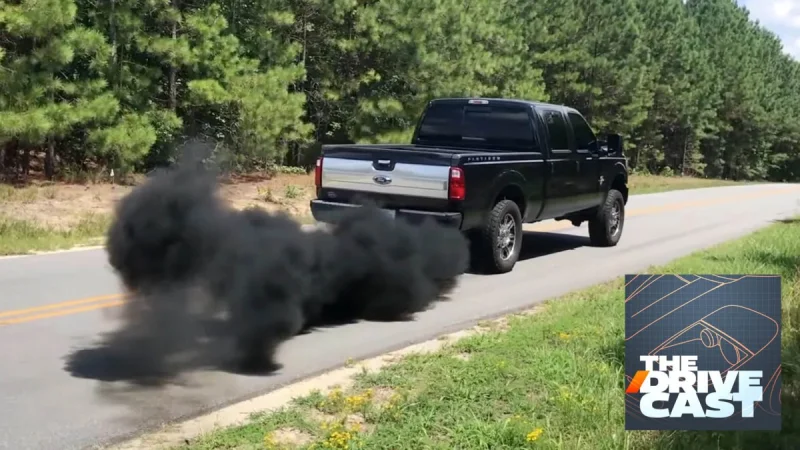
EZ Lynk’s app is tied to a broader fight over diesel “delete” technology and the aftermarket tools used to defeat emissions systems. Caleb said that once those systems were installed on diesel pickup trucks, the aftermarket began looking for ways around them, and he said that by the mid 2010s and late 2010s the federal government started going after shops, tuners and aftermarket companies more aggressively. “A lot of people have been doing it for years and even more than a decade actually,” he said. “So since emission systems were put in place on diesel pickup trucks, the aftermarket has been finding ways to remove that.”
The tension now is not whether the government is targeting EZ Lynk, but how far it wants to reach to do it. Lawyers reportedly want to interview individuals after reviewing and linking user app data, and privacy advocates say that turns a vehicle-emissions case into a sweep for personal information. If the subpoena stands, the case could become a test of how much digital trail prosecutors can demand from consumers in a federal environmental investigation.