


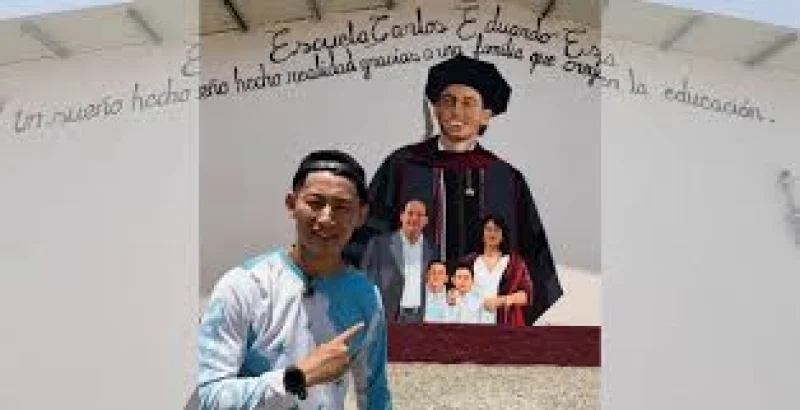
Tom Steyer’s California governor campaign has paid $100,000 to Carlos Eduardo Espina, the TikTok creator with 14.3 million followers, as part of a broader push to flood social media with favorable messages about the billionaire Democrat. Campaign finance filings from January through April 18 show Steyer paid more than $123,400 to at least eight influencers, while his campaign also spent over $870,000 on a digital firm that recruits creators to post about him every day.
The spending comes as Steyer tries to turn massive personal wealth into political reach. He has poured nearly $200 million into what is already the most expensive primary campaign in California history, and the influencer payments show just how aggressively he is buying visibility in a race where online attention can move faster than old-fashioned ads. The payments to Espina were first reported by.
The campaign’s work with Group Project Digital shows how formal the effort has become. The listing initially offered creators $10 per video, then was amended last week to offer $1,000 a month and add a sentence telling them they need to disclose the payments. That disclosure language matters because California law, signed three years ago by Gov. Gavin Newsom, requires influencers to be upfront when they are paid by a political campaign.

Not every creator has followed that rule. Isaiah Washington, known online as @zaydante, did not disclose that Steyer’s campaign paid him $10,000 for a now-deleted video. In another example of the campaign’s reach, Jaz Roche posted on May 8, “Hear me out, I have something to admit,” and added, “I did not expect the most progressive governor candidate to be a billionaire. But look at the policies, you guys.”
The state investigation now under way was sparked by a complaint from two political social media influencers who frequently post in support of Xavier Becerra. On Tuesday, they filed another complaint alleging numerous additional paid, undisclosed posts, including from accounts in other countries. The inquiry has so far covered just one influencer video, but the new filing suggests the criticism is widening, not narrowing.
Dan Schnur, a longtime political analyst, said, “This is where the ‘Wild West’ analogy becomes useful,” a description that fits a system where the rules are on the books but the enforcement appears thin. The law was intentionally written with little accountability and no real penalties, which has left campaigns room to blur the line between political speech and paid promotion.
Beatrice, one of the creators pushing the complaint, said, “What he’s done is inundate the Internet in every way, shape and form to try and create an echo chamber,” a line that captures the core of the fight now facing Steyer. He is not just running an expensive campaign. He is testing how far money can stretch into the feeds of voters, and whether disclosure rules built for a new era can keep up.
