


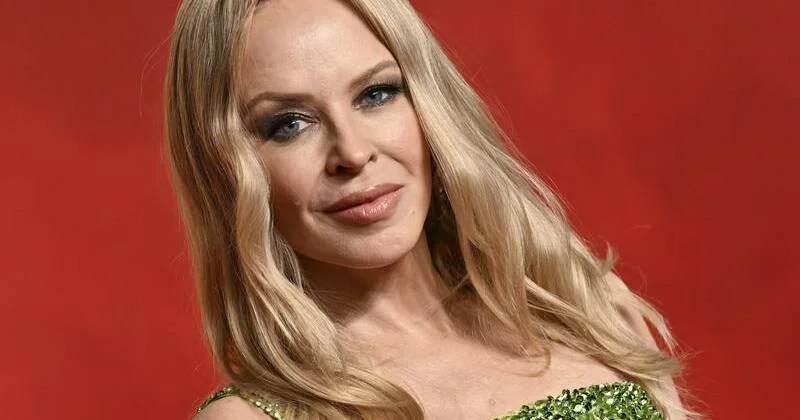
Kylie Minogue has revealed in a new three-part Netflix documentary that she had a second cancer diagnosis in early 2021, saying she kept it to herself and got through the year without feeling obliged to tell the world. The disclosure comes in the final 10 minutes of the film, which was shot over two years by director Michael Harte.
Minogue said she could not tell people at the time because she was “just a shell of a person,” adding: “Thankfully, I got through it. Again.” The singer also says in the documentary that she had been trying to find the right time to speak about it, but that the moment never felt right while she was living through it.
The revelation lands with extra force because the documentary has spent its earlier chapters tracing the first cancer diagnosis that changed her life and career in 2005, when she was 36. Minogue said then that she postponed her chemo to go through IVF, and the film revisits the wider toll on her family, the pressure of press intrusion and her grief at not being able to have children.
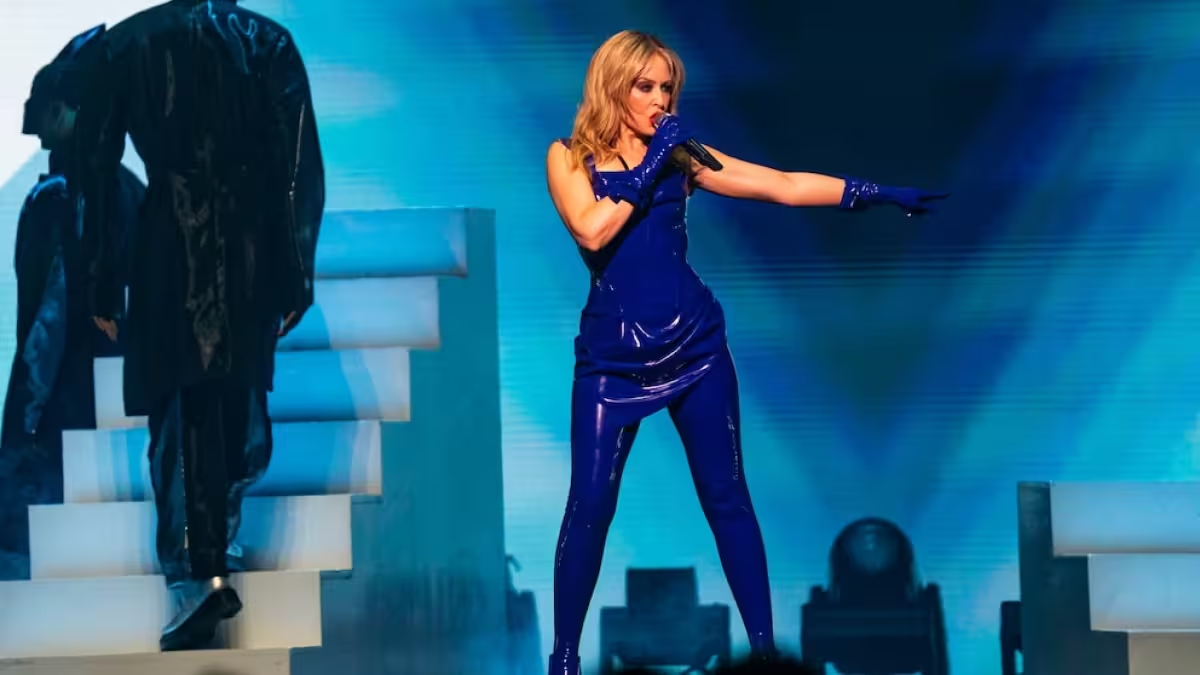
That first diagnosis remains one of the defining episodes of her public life. It also had a broader public impact: the so-called Kylie effect helped drive a surge in mammogram bookings after she went public with her illness. The documentary frames that moment as part of the cost of fame, and part of the reason her later decision to keep the 2021 diagnosis private feels so stark.
Dannii Minogue says in the film that she feared her sister would “never be well again – is she going to live through this? I felt so helpless.” Her comments underscore how little room there was for certainty inside the family while the singer was facing treatment, and how the burden was carried as much by those around her as by Minogue herself.
The series also returns to the modern version of her career, including the 2023 release of Padam Padam as the first single from her 16th album, Tension, after more than 80m records sold across a career spanning 25 years. Minogue says of the documentary, “We’ve never done anything like this before,” and calls it “not as scary as I thought it might be.”
One line from her mother captures the film’s emotional logic: “I think it’s because we’re in the dark.” That is what makes the late reveal so effective. It does not just add a twist to the documentary; it answers the question the film has been circling all along about what was hidden, what was endured and how much of Minogue’s public poise was built on private survival.
