



The European Union’s election observation mission in Peru said on May 18 that it had found no evidence of fraud in the country’s April 12 general elections, and it repeated that judgment just as the presidential runoff was formally set for June 7.
Alexander Gray, who spoke for the mission after Peru’s National Jury of Elections proclaimed the results, said observers had not seen “systematic and widespread irregularities” that could amount to fraud. The mission also said it was deploying 50 long-term observers across Peru’s 25 regions to follow the runoff between Keiko Fujimori and Roberto Sánchez.
Gray’s comments were the clearest public backing yet for the integrity of the first round, a contest that was followed by disputes over the vote count and the shape of the final result. He said the mission’s monitors had not detected a pattern of abuse that would change the outcome, even though the vote was narrow enough to keep suspicion alive among critics.
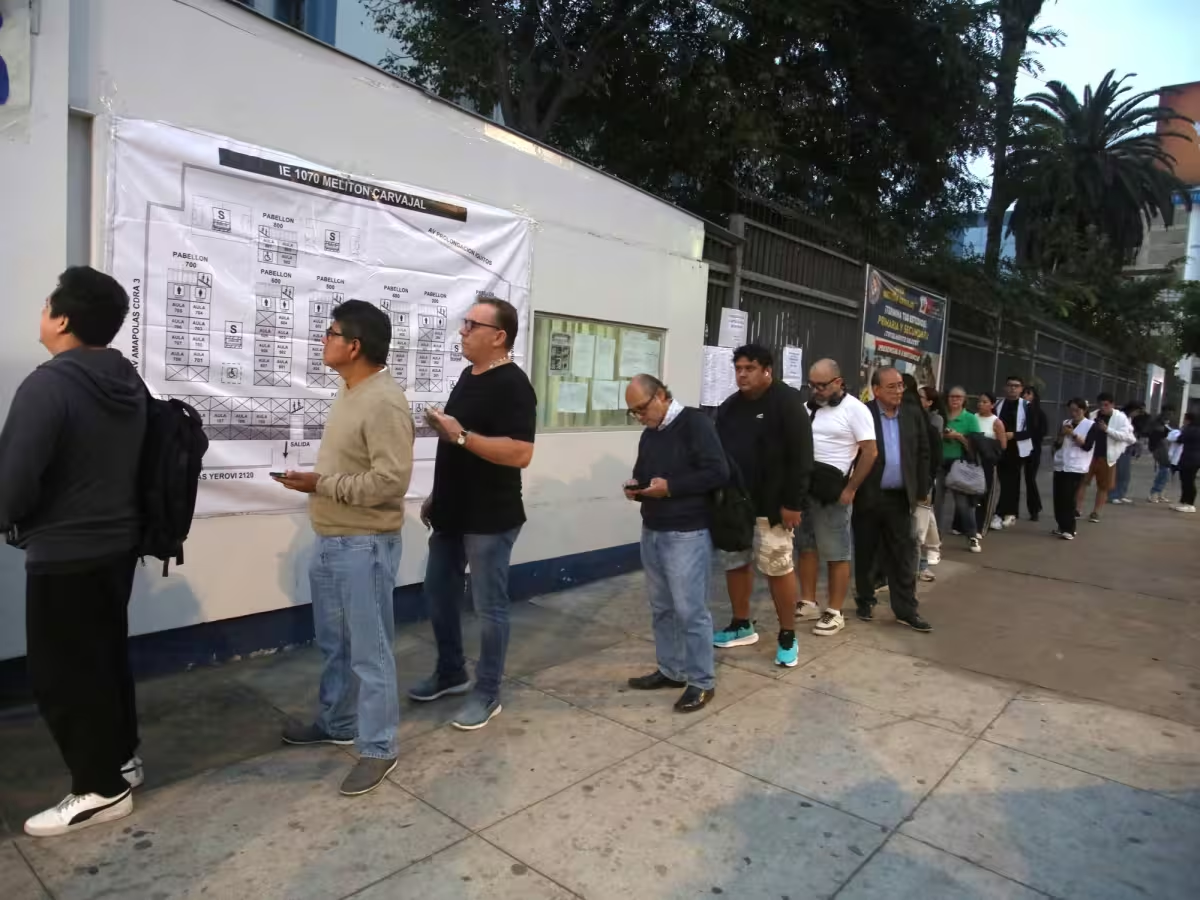
What the observers did acknowledge was a rough start in parts of Lima on April 12. Gray said there were errors and irregularities mainly in the capital because of late delivery of election materials, which left some polling places opening late and others unable to open at all that day. The National Jury of Elections later allowed voters to cast ballots the next day in locations that had missed the first round because materials had not arrived.
The runoff will be watched much more closely. The EU mission said it will have more than 150 people deployed on election day, with another preliminary report to come two days after the vote and a final report due two months after the election ends.
The mission’s broader message was blunt: Peru’s problems on April 12 were real, but they were administrative, not evidence of a coordinated scheme to falsify the vote. Gray urged election authorities to strengthen their backup planning, saying they should always have a plan B and plan C to avoid repeating the mistakes made in the first round, especially in Lima.
The statement landed in the middle of unproven complaints from Rafael López Aliaga, who had said he was harmed in a way that kept him from advancing to the presidential runoff. The National Jury of Elections has already proclaimed the results and called the second round between Fujimori and Sánchez, leaving the EU observers to do what they have done in election missions for three decades: measure the process, report the flaws and separate procedural failures from claims that elections were stolen.
