


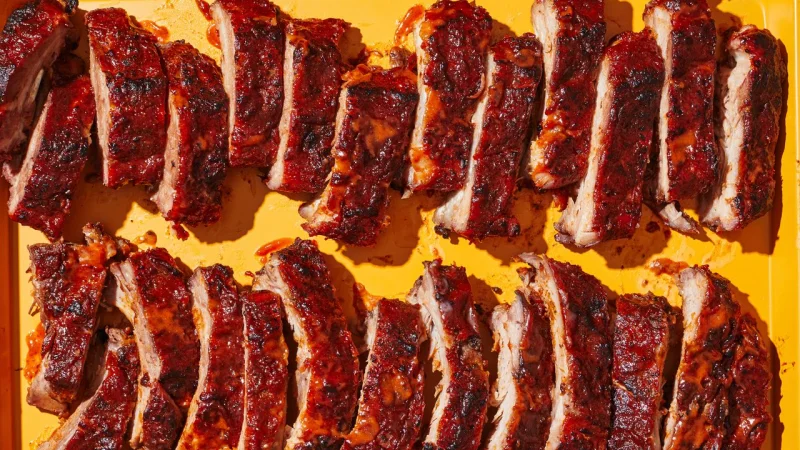
Bon Appétit has published 23 Juneteenth recipes for the ultimate cookout, a spread built around smoky mains, fresh sides, red drinks and celebratory desserts. The collection lands as Juneteenth, observed on June 19, marks the day more than 200,000 enslaved Black Americans learned they were free in 1865, more than two years after President Abraham Lincoln signed the Emancipation Proclamation.
For generations, Black communities across the United States have marked Juneteenth as “freedom day” or “emancipation day,” gathering for backyard cookouts, humble picnics at the neighborhood park and local festivals. Recently recognized as a federal holiday, it has also become a day when food carries memory as much as flavor, with red drinks, grilled meats, hot links, fish fries, slaws, baked beans and cobblers anchoring menus in Houston, Milwaukee, Oakland and Washington, DC.
The recipe collection leans hard into that tradition. One chicken recipe is described as delivering crackly, sticky skin and smoky-sweet flavor, while another pairs store-bought beef hot links with mustardy homemade Carolina gold sauce and garlicky quick-pickled chowchow. There is also a set of spicy-sweet baby back ribs that cook entirely on the grill, plus buttermilk-soaked catfish made especially crispy by a rice-flour dredge. The result is less a single menu than a map of how Juneteenth is eaten across tables and regions.
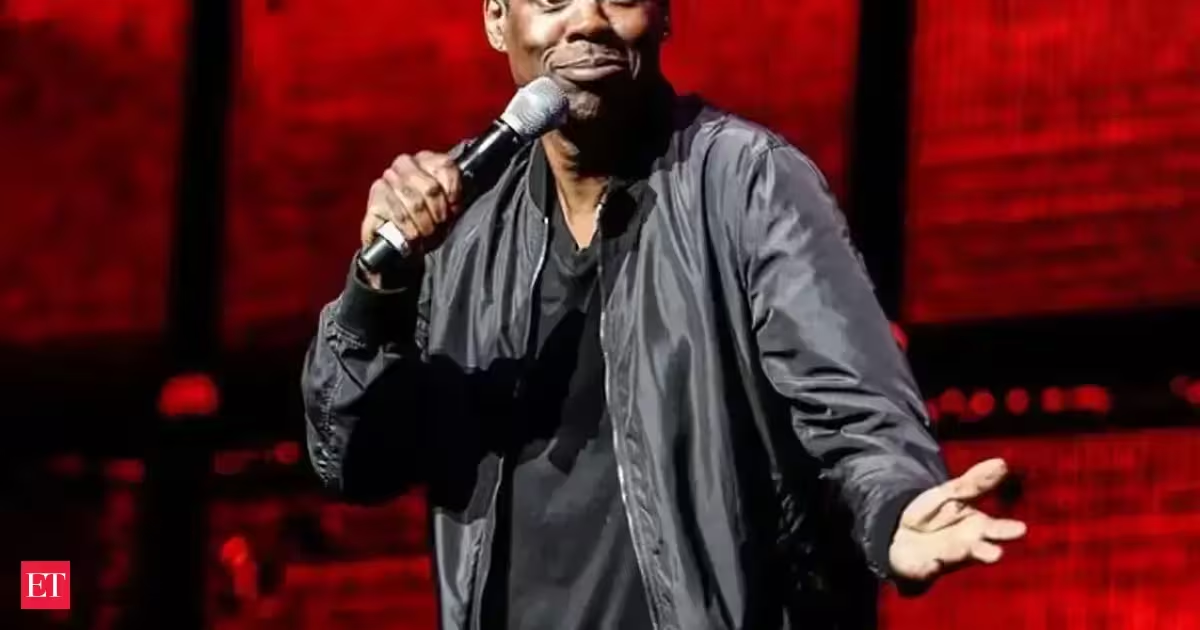
That map also reaches into Black culinary history. Adrian Miller’s Black Smoke details how African Americans shaped the foundation of American barbecue, and his book includes a recipe for pork belly burnt ends. Another fried chicken recipe in the collection comes from Kwame Alexander’s mother, while a potato salad gets its cookout appeal from sweet relish, mustard and a deviled-egg-inspired dressing. Elsewhere, fresh green tomatoes and juicy berries meet in a savory-sweet salad, and an oil-and-vinegar dressing keeps one slaw crunchy, bright and light.
The sides and drinks do just as much work as the mains. Chef J.J. Johnson uses cornstarch and rice flour to make okra fries crunchy, while hardy collard greens, pickled fennel and spicy coconut vinaigrette show up in another dish alongside cornbread and cheddar biscuits. For the drink table, chef Omar Tate gives a red drink its flavor and color with freeze-dried cherries and strawberries, and restaurateur Shyretha Sheats mixes a hibiscus and vermouth cocktail with bay leaf syrup and pickle juice. The through line is familiar: red drinks remain a longstanding part of Juneteenth celebrations, with hibiscus, watermelon and ruby-hued fruit punches served as tributes to resilience, remembrance and West African culinary traditions carried across the diaspora.
That is what gives the collection its force today. Juneteenth food is not only festive; it is a way of remembering the delay between emancipation on paper and freedom announced on the ground, and of keeping family and regional traditions in motion. Bon Appétit’s list does not try to reinvent the holiday. It reflects what has long made Juneteenth recognizable at home: smoke, sweetness, red color and the kind of dishes people return to every year because they already know what they mean.
