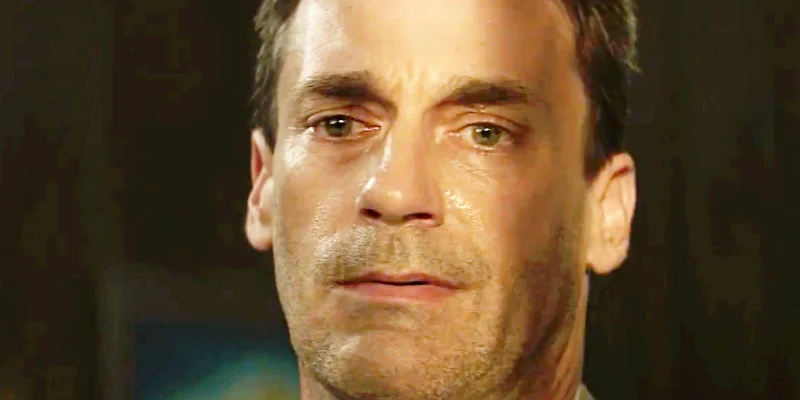
John Hamm plays a weary American diplomat pushed back into danger in Beirut, Tony Gilroy’s 2016 political thriller about grief, leverage and a hostage deal that may not be what it first seems. Hamm stars as Mason Skiles, a man who gave up serving his company after his wife was killed in a violent incident overseas and later sank into severe alcoholism and depression.
That history gives the film its weight from the start. When American government members ask Skiles to take part in an academic conference in Lebanon, he goes believing he is being drawn into a controlled, familiar assignment. Instead, once overseas, he learns he was brought there for a different purpose: Cal Riley has been abducted, and the kidnappers want one of their prisoners freed as part of a deal.
Gilroy wrote Beirut after being best known for helping rewrite Rogue One: A Star Wars Story, creating Andor, earning several Academy Award nominations for his directorial debut Michael Clayton, and helping map out the story of the Bourne franchise. But Beirut is a different kind of espionage story. The film is not based directly on real events, yet it examines a difficult period in history by granting merit to multiple perspectives rather than flattening the politics into one easy answer.

That approach matters because the film refuses the clean logic of rescue-movie patriotism. It suggests American involvement in an overseas political coup could do more harm than good, even as Sandy Crowder, a CIA field officer, believes Skiles can help broker an agreement. The tension is not just in the hostage standoff. It is in the competing versions of duty, intervention and consequence that surround it.
Hamm is believable as a seasoned diplomat, and the performance carries the kind of practiced confidence he once gave Don Draper in Mad Men pitch meetings, only here it is worn down by loss. That is what makes Beirut work as more than a negotiation thriller. It becomes a powerful story about grief and redemption, with Skiles forced to confront whether he can still be useful after the life he knew was taken from him.
By the end, the film’s answer is clear: Beirut is strongest when it treats political chaos and private damage as part of the same story. Hamm gives it the human center it needs, and Gilroy uses the genre to ask how much of a broken man can be put back together before the mission breaks him again.