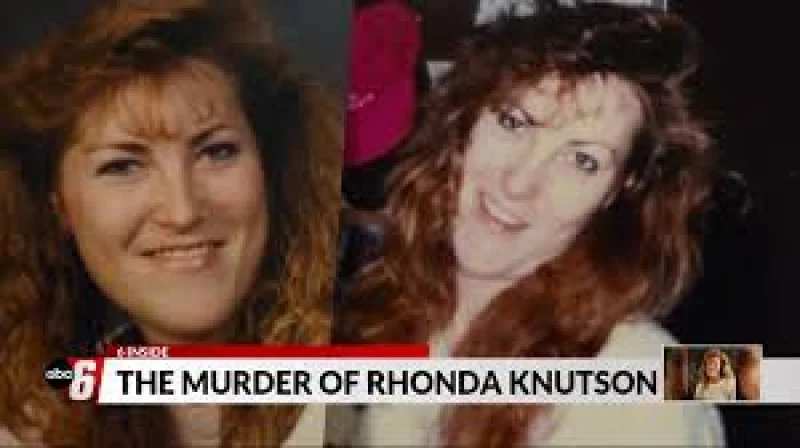
Rhonda Knutson was murdered on Sept. 7, 1992, while working the overnight shift at a truck stop off Highway 63 in Chickasaw County, and 33 years later her killing still hangs over New Hampton, Iowa. She had clocked in late on Sept. 6 as the store clerk. By just before 5 a.m., the store owner found her in the back, badly beaten and unresponsive.
Her death was ruled a homicide. No weapon was found. The violence was so severe that the Iowa Division of Criminal Investigation was called in to help, and investigators spent days searching corn fields and ditches, collecting evidence and logging over 100 hours of interviews. Even with polygraphs and DNA, the case has never been solved, and the weapon was never identified or recovered.

What investigators had was a narrow and troubling window. Witnesses reported seeing two men in the store, described as medium height, heavy set, white and between 35 and 45 years old. Ryan Shawver later said that in a small rural county, “we need all hands on deck,” and recalled that every vehicle was stopped at the four-way stop where the gas station was located. The search made clear how quickly the killing spread beyond one building and into the wider community.
The case has become one of those cold files that never quite leaves a town alone. Rhonda was the youngest of seven children, and her oldest brother, Robert, has spent years carrying what was done to her. He said she was murdered, but also tortured, and called it hate, not just murder. He said the people who attacked her knew what they were doing and that she went through hell before she died.
That is why this case still matters now. It is not only that Rhonda Knutson’s murder remains unsolved; it is that after 33 years, investigators still have no weapon, no confirmed killer and no ending that satisfies the family or the town. In New Hampton, the question is no longer whether the crime happened. It did. The question is why the evidence that was gathered so urgently in 1992 has never been enough to bring someone to account.