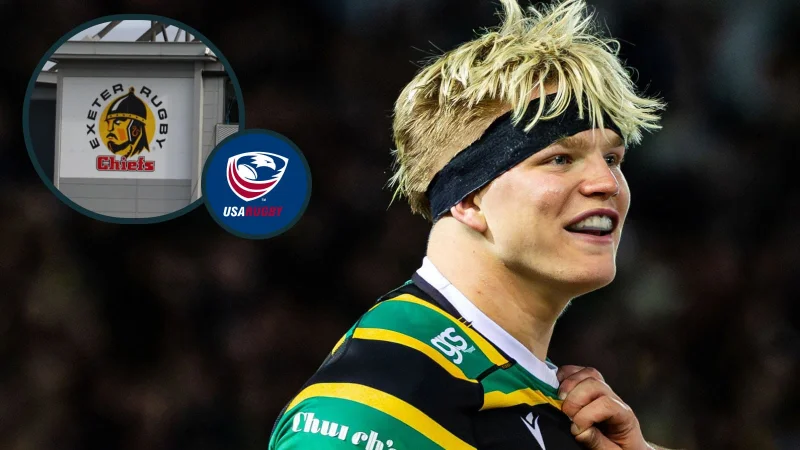
Americans are getting into English club rugby at boardroom level just as the Premiership prepares to move to a franchise model over the next three to four years, and that shift is already starting to reshape who wants in. The Cornish Pirates, whose investors hail from Pittsburgh, are among the first clubs to be invested in, alongside Newcastle and Exeter.
The timing matters because the move away from the old system is now a done deal. For investors, that creates a clearer route into a competition long defined by losses and patchwork survival. For the Pirates, it also comes with a more immediate problem: earlier this year, a storm tore their existing stadium to shreds, leaving them in need of a new ground and making a 19,000-capacity stadium the sort of target that would do the trick.
That is part of why the focus has widened beyond the usual names. Exeter are described as a well-run club and among the closest in England’s money-leaking club scene to turning a regular profit, which helps explain why they sit among the first three clubs to become invested-in entities. Newcastle are in that same group, and Saracens, historically nomadic and perhaps the most already-franchised side in the current top flight, also sit naturally in a game now heading toward a more corporate shape.
The change also puts pressure on the traditional heartlands of the sport. Northampton Saints back-row Henry Pollock tried to ruffle feathers against Leicester Tigers, but the bigger question hanging over the East Midlands is whether traditionalists there would want the Tigers or Saints to go down the private equity route. Once a franchise model is coming, that question stops being theoretical and starts to touch identity, control and what fans think their clubs are for.
For now, the deal is simple enough: the money is arriving, the structure is changing and the clubs that can offer a cleaner case are moving first. What remains unsettled is how far the old guard will go when English rugby’s future is no longer being negotiated in public, but bought into at boardroom level.