


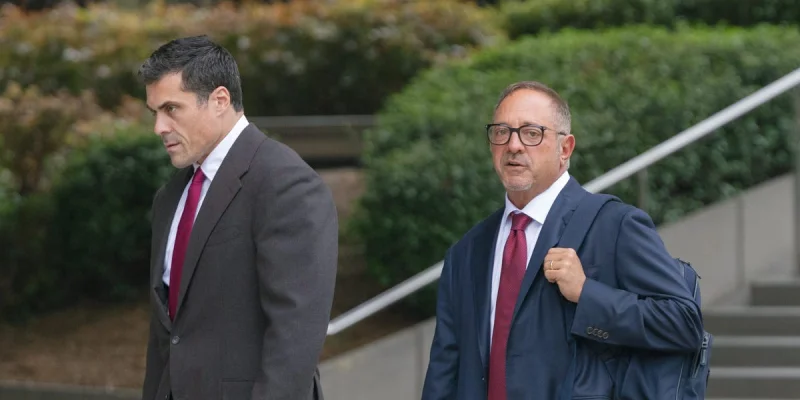
The securities fraud trial of Andrew Left moved into a sharper phase Wednesday as prosecutors put stock analysts on the stand to challenge some of his best-known market calls, including on Twitter and Cronos Group. Three days into the case, the defense’s line was becoming clearer: Left’s lawyers are trying to cast his public commentary as opinion, not fraud.
Left, the founder of Citron Research and a familiar face on financial television after years of high-profile bets, is accused by prosecutors of saying one thing about more than 20 stocks and then trading in the opposite direction. They say he made more than $20 million doing it. The case has quickly narrowed in on two examples that show how the government plans to argue the point: Twitter in December 2018 and Cronos Group in August 2018.
On Wednesday, Douglas Anmuth testified that he covered Twitter at the time and disagreed with Left’s December 2018 report, which was headlined, “Twitter has become the Harvey Weinstein of social media.” The report cited an Amnesty International study about abusive content against women on Twitter, and Left set a target price of $20 for the stock even though Twitter was trading at around $30 when he issued it. The choice of language and the price target are central to the government’s claim that Left was not simply voicing a bearish view but pushing a misleading market message.
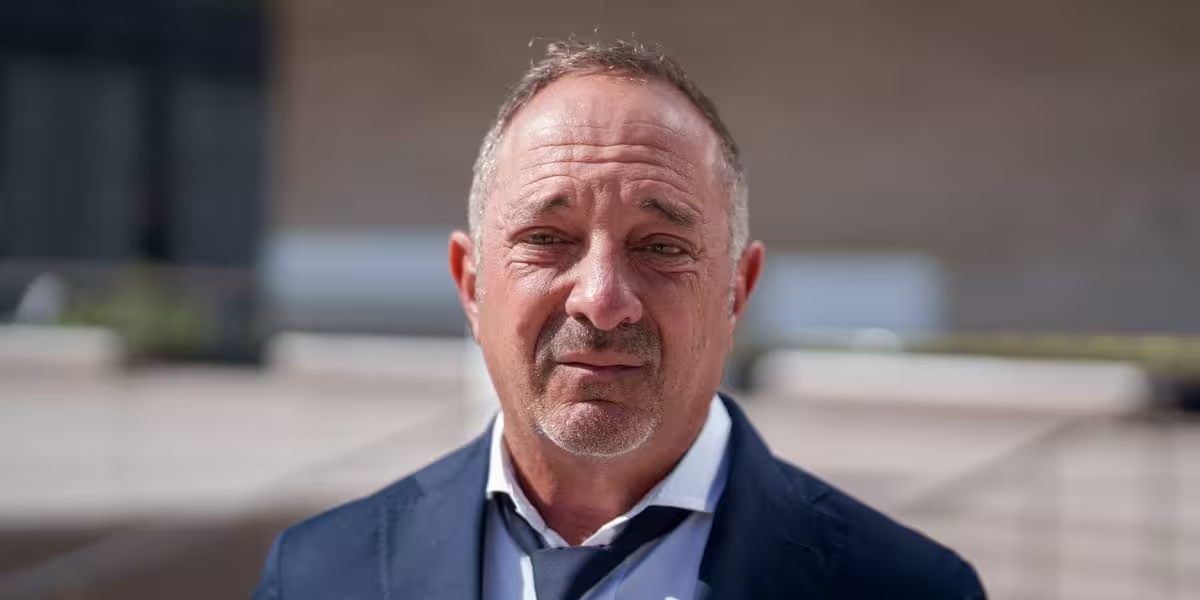
Martin Landry also testified Wednesday about a negative report Left tweeted on Cronos Group in August 2018. Landry wrote a rebuttal that said some of Left’s allegations about Cronos appeared to be unfounded and biased. That exchange matters because prosecutors have focused on analysts who directly contradicted Left’s public calls, using them to argue that his reports crossed from skepticism into deception.
The defense is leaning hard in the other direction. On Tuesday, Left’s lawyers told the jury that he tells the public what he believes, then trades on what he sees as the truth to make a profit. “That’s trading,” the defense said. Adam Fee pressed the point Wednesday, asking whether it is “fair to say when you and any other analyst disagree, that might just be a difference of opinion,” and whether “reasonable people can disagree about how information in the market might impact stock prices.” He also asked whether a person who says “sell” while someone else says “buy” is necessarily committing fraud.
That framing goes to the heart of the case. Prosecutors say Left manipulated the market and deceived retail investors with misleading statements, then profited by trading against the public posture he had just taken. The defense says the market is built on sharp opinions, especially from analysts, and that disagreement alone does not amount to a crime.
The trial has so far revolved around Twitter and Cronos, but prosecutors allege the conduct reached more than 20 stocks. How the jury separates aggressive commentary from falsehood may decide whether Left is seen as a hard-charging analyst with a loud voice or as someone who used that voice to move prices while betting the other way.
