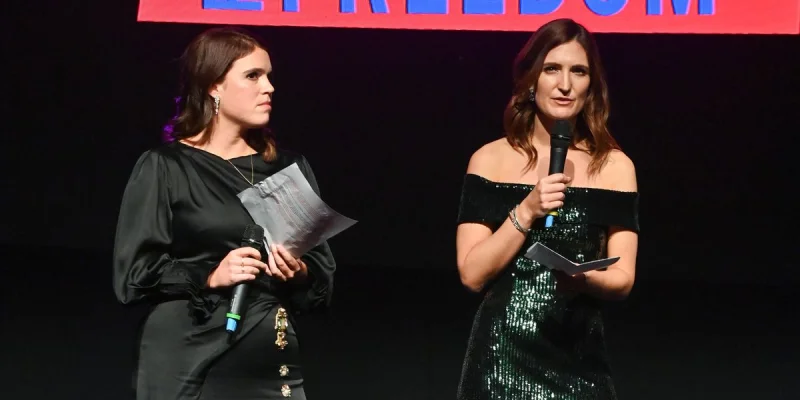
The Charity Commission has opened a regulatory compliance case into Anti-Slavery Collective, the charity co-founded by Princess Eugenie in 2017, after concerns were raised about how it handled charitable spending. The regulator said on Wednesday it will engage further with the charity’s trustees as it continues its assessment.
The commission said the case was opened to continue looking into those concerns. Its spokesperson said: “We have opened a regulatory compliance case into Anti-Slavery Collective to continue assessing concerns raised with us about charitable spending.” In a separate statement, the regulator said it was assessing concerns raised in the media about spending at the charity to determine “what role there is, if any, for the Commission.”
The move follows a period of scrutiny over the charity’s finances. In October, News reported that Anti-Slavery Collective had raised £1.5m in donations but distributed very little, with £1.3m carried forward. The charity’s most recently available accounts, for the year ending 5 April 2025, show donations slumped to £48,000, while spending on salaries came to £191,537. That was more than the charity spent on its programmes in the same year.

Anti-Slavery Collective says its focus includes victims of sex trafficking. The latest case comes after the Charity Commission had already said earlier this year that it was assessing concerns about the charity. It is not being treated as a statutory inquiry, and the commission has not reached any findings or conclusions.
The scrutiny also lands after Eugenie stepped down earlier this year as patron of Anti-Slavery International, a role she had held for seven years. No reason was given for the end of that patronage, and the timing has only sharpened attention on her involvement in anti-slavery causes.
Andrew Lownie, a royal biographer, called the charity a “preposterously inappropriate cause,” reflecting the unease around the handling of donations and spending. The Commission’s next step is straightforward, if not yet decisive: it will press the trustees for more detail and decide whether the case needs to go any further.