


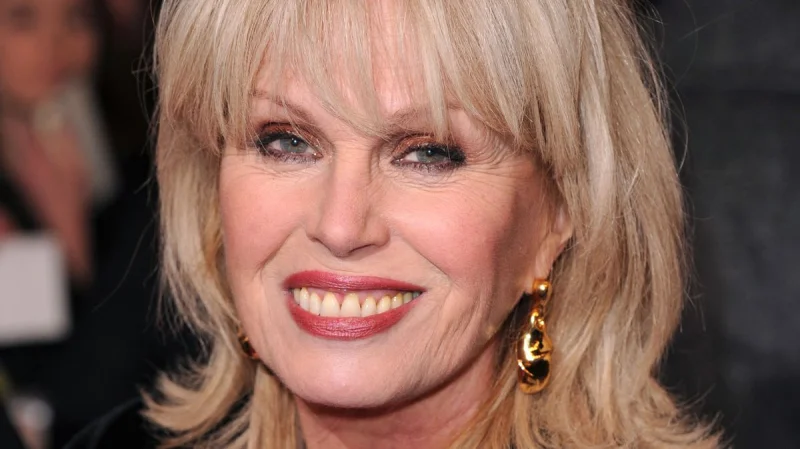
Dame Joanna Lumley has backed a call to ban male chick culling in the UK, adding her voice to a growing campaign that says the practice should be brought to an end without delay. The 80-year-old actor said the current system is unacceptable and urged ministers to move ahead with a ban on what supporters call hatch and dispatch.
“This unnecessary practice has no place here,” Lumley said. She added: “I’m proud to support this path forward to end cruel male chick culling. As a nation of animal lovers, let’s move forward and ban hatch and dispatch.”
The push is aimed at a stark reality inside the egg industry: about 45 million male chicks are gassed within hours of hatching each year because they cannot lay eggs or be used for meat. Campaigners say the scale of the killing makes the issue impossible to ignore, even for a country that has already signaled it wants to move away from the practice.
The proposal Lumley has endorsed was developed by the Vegetarian Society and backed by 19 cross-party politicians. It calls on the government to set a clear deadline for ending the culling. The group has already gathered more than 40,000 signatures on its Ban Hatch & Dispatch petition, giving the campaign a public backing that is no longer easy to dismiss.

The timing matters because ministers have already put their own position on the record. In December, the Animal Welfare Strategy for England said they would like to see chick culling banned. That left campaigners with a clear opening: the political principle is there, but the deadline and the mechanism are not.
Irene Campbell MP said her campaign now has almost 90 supporters in Parliament from across the political spectrum, and she urged her Defra colleagues to help drive the process forward. Jenny Canham, speaking for the campaign, said the question is no longer whether the UK will end chick culling, but how quickly it will act. “Every year of delay means almost 45 million male chicks are needlessly killed within hours of hatching, simply because they are deemed useless to the industry,” she said. “This roadmap is a call for swift action, and we hope the government listens.”
The pressure is also coming from outside the UK. Norway plans to transition away from male chick culling by 2027, and its egg industry is already adopting in-ovo sexing technology that can identify the sex of chicks before they hatch. That makes the British debate less about whether alternatives exist and more about whether policymakers are prepared to force the change.
Lumley has long campaigned against factory farming, cages for farmed animals and live transport of animals, and her support gives the issue a familiar public face. The message from campaigners is simple: the government has already said it would like to see chick culling banned. The next step is to turn that preference into a date, and then into law.
