


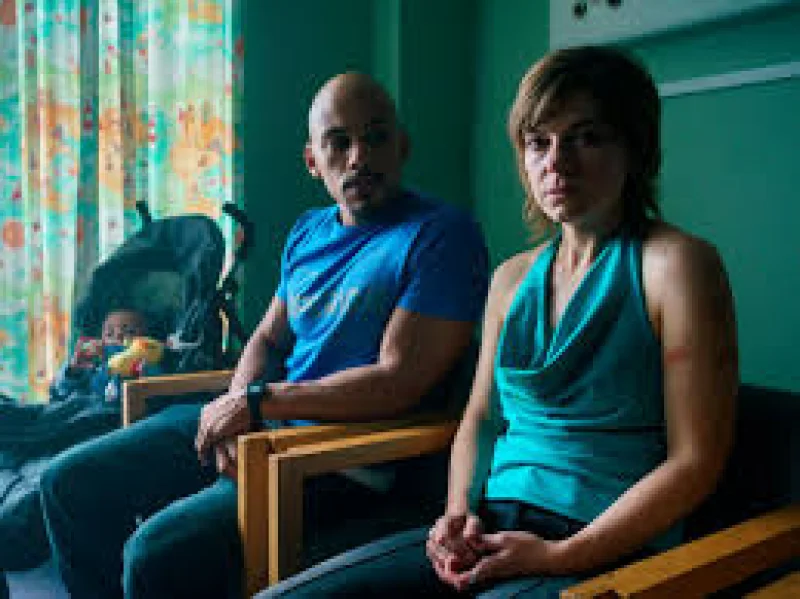
A new drama about John Worboys does not begin with the man himself. It begins with the women he is accused of drugging and sexually attacking, and with the stubborn push for justice that followed. Believe Me, a four-part drama created and written by Jeff Pope, tells the story of the survivors who would not let their reports disappear into silence.
The first two episodes, which were made available for review, focus mainly on Sarah and Laila. Sarah is picked up by Worboys after a night out with her gay best friends nine months after having her first baby. Laila gets into the cab alone after her friends leave her at a club. Sarah wakes up in hospital with no memory of how she got there. Those details are the dramatic engine of the series, but the scale of the case gives them their weight: 14 women reported suspicions that they had been drugged and assaulted by Worboys, and more than 100 women eventually came forward when he went to trial and after he was convicted.

Pope said he was not interested in trying to get inside the mind of psychopaths. That choice puts the focus where the story has always belonged, on the women who reported what happened to them and the system that failed to move fast enough. The series also reflects the long-running frustration that surrounded the case: the police and judicial system, as the article notes, seemed at best wholly uninterested in providing justice.
That anger is not new. The drama is linked to the broader criticism that has followed rape cases for years, where conviction rates remain horrifyingly low. It also echoes the impact of Roger Graef’s 1982 fly-on-the-wall documentary A Complaint of Rape, which ran in 12 parts and helped trigger public outcry. In the months after it was broadcast, an all-female rape investigation team was formed at the police station, a reminder that public pressure can force institutions to change when they do not choose to do so themselves.
Believe Me lands today because the questions around rape, belief and institutional indifference are still unsettled. The series does not ask viewers to sympathize with Worboys. It asks them to sit with the women he harmed, and with the fact that their persistence was what eventually widened the case from 14 reported suspicions to a much larger reckoning. That is the answer the drama gives most clearly: justice came only because the survivors kept pressing for it.
