


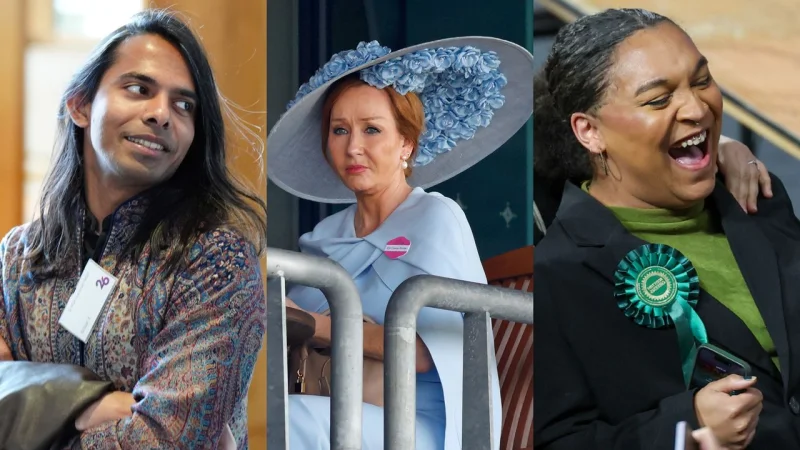
Q Manivannan has been elected to the Scottish Parliament on the Edinburgh and Lothians East regional list, becoming one of Holyrood’s first trans parliamentarians alongside Glasgow’s Iris Duane. The move puts the India-born student visa holder on course to take up a seat at a time when questions about immigration status, work rights and representation have followed closely behind the result.
Manivannan moved to Scotland in 2021 to study for a PhD in international relations at the University of St Andrews and is due to see their student visa expire at the end of the year. They have applied for a graduate visa and a global talent visa, both of which could keep them in the UK after their course ends.
The seat itself became open to them because the Scottish Parliament unanimously voted in 2024 to extend election candidacy rights to non-UK citizens with limited leave to remain. Until then, foreign nationals could stand for Holyrood only if they had indefinite leave to remain, a restriction that would have kept Manivannan off the ballot despite their long-running work as a community organiser, adviser and teacher with the United Nations, trade unions and human rights groups.
The practical issue now is whether they can serve while their immigration case is settled. People on student visas can work only 20 hours per week while studying, but the Home Office’s immigration rules do not apply that limit to the work of an MSP. Rachel Turner said hiring staff would not be a problem for Manivannan under the current visa arrangement, and she described it as “fairly common” for students to move on to a graduate visa after finishing their course.
Turner also said it usually takes about eight weeks to get a response from the Home Office once an application has been submitted. In the year ending March 2024, more than 99% of graduate visa applications were successful, while global talent visas are reserved for senior workers in science, digital technology and the arts and culture sector. The global talent route would also cover the five-year term of the new Parliament if it is granted.
Concerns had been raised about Manivannan’s ability to hire staff, but that issue appears to have been settled by the visa rules that govern Holyrood rather than student work restrictions. The sharper question is no longer whether they can sit in parliament, but whether one of Holyrood’s newest members can secure the right to stay in Scotland long enough to serve the term they have just won.
