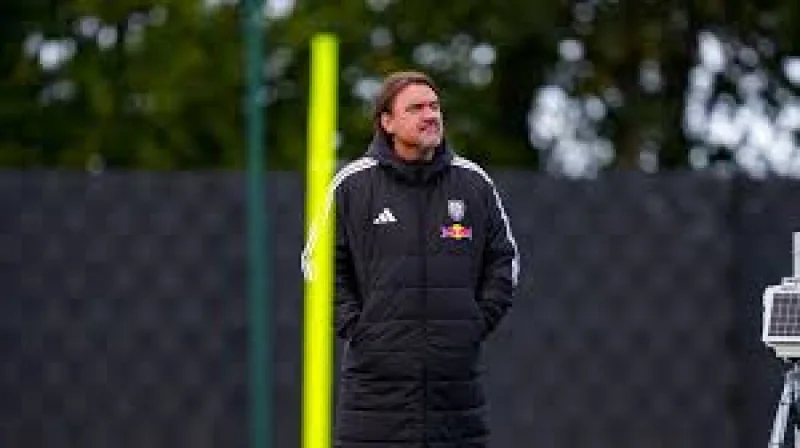
Leeds United go into their 15:00 GMT meeting with Coventry City as a team transformed, not merely improved. Daniel Farke’s side have lost just seven of their last 36 Premier League games since the 29 November match against Manchester City, a run that has lifted them to seventh and put him on the brink of a personal milestone.
Another win would give Farke three Premier League victories in a row for the first time and take him to 80 wins as Leeds boss in 162 games. That is a mark Marcelo Bielsa needed 164 matches to reach, and it underlines how far Leeds have come since they were staring at trouble on 29 November, when they were 2-0 down within 25 minutes to Manchester City before Farke’s half-time tactical switch almost changed everything in a match they still lost 3-2.

What makes the run stand out is the scale of it. Since that afternoon, Leeds have collected 53 points and have become one of the league’s most difficult sides to break down, with only Arsenal having conceded fewer goals this season than their tally of nine. At Elland Road, the numbers have been just as stubborn: since the start of February, only two away sides have left with all three points, and no visiting team has scored more than once.
That is why last week’s 4-1 win at Stamford Bridge, described as one of the club’s best results in a generation, landed with such force. It was not a one-off flourish but another step in a pattern that has changed the shape of Leeds’ season, turning a side that was in the relegation zone on 29 November into one now sitting in the top half and heading into Coventry with real momentum.
There is still one detail that hangs over the story. Leeds have looked secure for months, yet the turning point in the Manchester City match came after they were already 2-0 down and forced to react under pressure, not from a position of control. The specific tactical change Farke made at half-time has not been detailed here, which leaves the larger point intact: he found a way to alter the course of the team’s season even in a game they lost.
For Leeds, the question is whether the rise continues in a way that now feels routine. For Farke, the next win would not just be another three points. It would extend the streak, deepen the sense that this group has escaped its old habits, and put him level with a manager whose name still carries weight at the club.