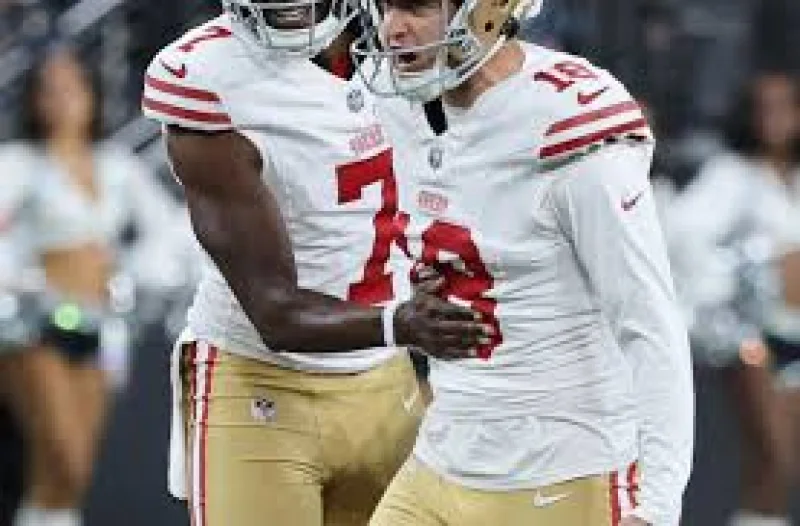
Corliss Waitman says he chose South Alabama for one reason in 2013: to honor his father after Jose Waitman died on April 17 of that year. He was 17, a senior at Milton High School in Fla., and had other options on the table from Oregon and Auburn.
That choice now reads as the start of a football career built as much on loss as on talent. Waitman said he emailed a coach at South Alabama months later and asked if the staff could recruit him, then kept pushing his punting after his father’s death. He later said everything that happened helped get him to where he is.
Jose Waitman’s connection to South Alabama ran deep before his son ever arrived. He had played basketball there, then went on to a 15-season professional career in Europe. In 1987, he was named MVP of a Dutch league, a reminder that Corliss Waitman came from an athletic family long before he became known for hanging a football over his foot.

The work after Jose died was rough, and Waitman does not pretend otherwise. He said the loss made him angry, and he used some of that anger to start working harder in sports, which he admitted was not necessarily healthy even if it did make him a better punter. After his father’s death, he began climbing a fence to get into Milton’s locked stadium and practice. That detail says more than any profile line about how far he went when the school grounds were closed and the grief was still fresh.
Marsh said Waitman’s effort and commitment to football changed dramatically after that. The shift mattered because punting is built on repetition, and repetition is what Waitman kept finding, even when the route to the stadium involved a fence. He later became a regular in the 49ers’ postgame prayer huddles, a sign that faith remained part of the same story line as grief and discipline.
What remains open is not whether Jose Waitman influenced his son. It is how much of Corliss Waitman’s later rise came from that painful burst of anger, and how much came from the steadier habit of keeping at it long after the loss. Waitman’s own answer is not complicated: he says he honors his father by carrying the work forward.