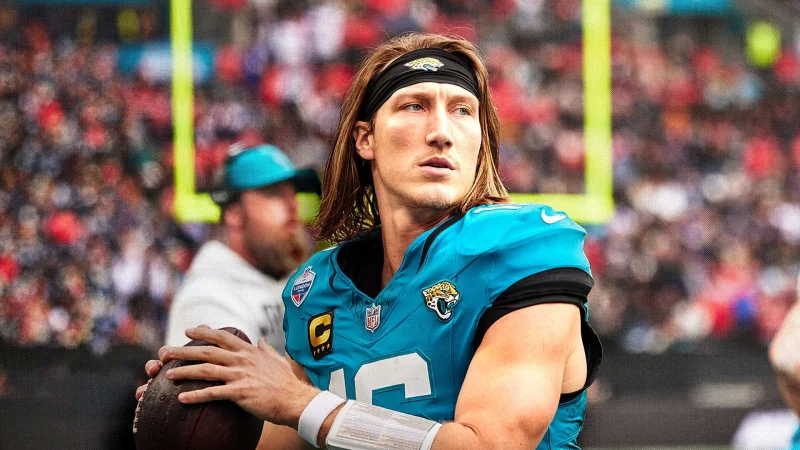
Shahid Khan said Jacksonville does not have the hotel rooms or infrastructure needed to host a Super Bowl, a blunt admission that lands awkwardly beside the stadium deal his team helped sell to taxpayers. In October 2025, the Jaguars owner told talkSPORT the city is not ready for the league’s biggest game, even as Jacksonville taxpayers are committing $775 million to renovate the 31-year-old stadium.
That matters now because the public case for the project leaned heavily on event-driven growth. The Jacksonville City Council approved the deal in June 2024, but the Jaguars’ August 2023 study had already projected $21.7 billion in economic impact between 2028 and 2052, including $10.3 billion in direct spending from team payroll, marketing and event operations. Khan’s new comments cut against one of the study’s most visible assumptions: about $700 million over 25 years from mega events visitor and operator spending.
Those mega events were not vague in the study. They included the Super Bowl, the NFL Draft and College Football Playoff games. Khan said Jacksonville can host other NFL events and maybe the draft, but not a Super Bowl without more development. That leaves the core math in a strange place: the stadium pitch counted on a marquee event the owner himself now says the city cannot support.
The contradiction is sharper because Khan has said this before. In 2016, he said a Super Bowl in Jacksonville was “absolutely not” happening. Yet Jacksonville’s economic story has long tried to keep the door open. The city docked cruise ships downtown to house visitors for Super Bowl XXXIX in 2005, a reminder of how much temporary improvisation once went into making the event work at all.
There is also the question of what kind of city would be required to change that answer. Downtown hotel capacity has been one reason Jacksonville has struggled to make a Super Bowl bid credible, and the city has still been handing Khan incentives worth up to $82 million in taxpayer grants for a Four Seasons hotel tied to his riverfront development across from the stadium. That package, part of roughly $134 million in incentives, was first approved in 2021 and expanded again in 2025.
For now, the stadium project’s most ambitious promise runs into the owner’s own assessment of the city he wants to elevate. Jacksonville can renovate the building and keep chasing big events. It cannot call itself a Super Bowl city until the rooms, roads and surrounding infrastructure catch up with the pitch.