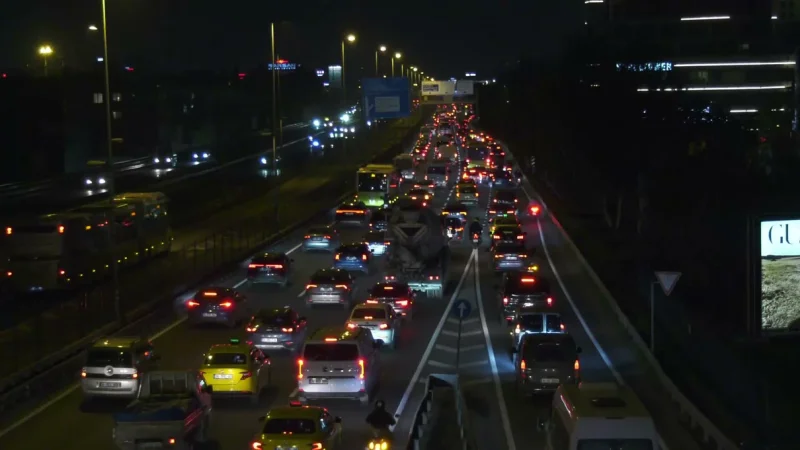
İstanbul's evening traffic climbed sharply on derby night, reaching 74% at around 18.30 as the city absorbed the effect of Galatasaray - Fenerbahçe and Beşiktaş - Başakşehir matches. The increase came during the rush-hour window, when the road network was already under pressure and congestion spread across the city.
The pressure was visible in the timing. İBB's traffic map showed congestion at 63% around 17.00, 72% around 18.00 and 74% by 18.30, a steady climb that matched the hour when people were heading home and heading toward the matches. At the same time, some roads around the stadium area were closed to traffic because of the two games, adding another layer to the slowdown.

That matters because this is not a one-off inconvenience layered onto an empty city. Weekday evening traffic in İstanbul is routine, but derby nights push that routine into something sharper, and transport operators responded by extending Metro İstanbul services until 01.00 and deciding to run Marmaray trains on a weekend schedule. Those changes were meant to absorb demand once roads tightened, and they show how quickly a match night can reshape movement across the city.
The friction is that the system still had to work while congestion was rising. The traffic peak arrived first, and the transport adjustments followed, which means many travelers were dealing with a crowded road network before the later trains and revised schedules could relieve it. Even with the gradual easing later in the evening, the key question for anyone moving through İstanbul was not whether the city would be busy, but how much of that pressure would be shifted from the roads to the rail lines before the night was over.