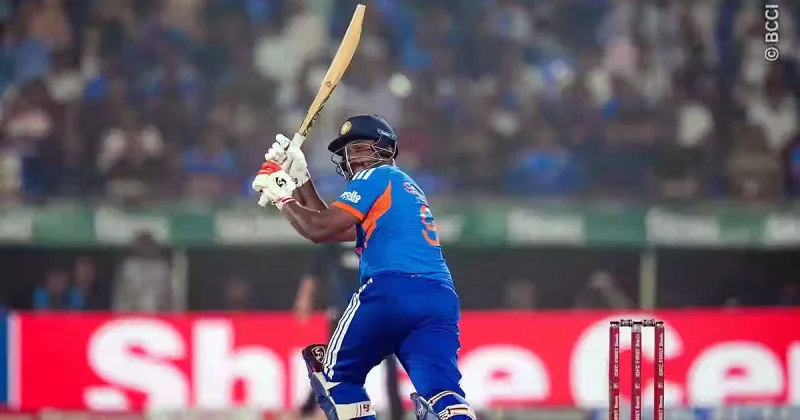
Cheteshwar Pujara has backed Sanju Samson to open for India when the five-match T20 series against West Indies begins in Lucknow later on Tuesday. The call puts Samson ahead of Vaibhav Sooryavanshi in the debate over India’s first-match top order, even though the teenager has already been used up front before.
That backing matters because the opening T20I is expected to be played on a slowish surface at Ekana, a wicket Pujara said offers help to both fast bowlers and spinners and makes batting difficult. India’s search now is not just for runs, but for the right method: who can begin safely, who can attack, and who can adapt when the ball grips and the scoring rate stalls.
Pujara said India should feel more comfortable on that sort of pitch after playing on challenging surfaces in Japan at the Asian Games. In his view, the exposure should help the batters judge conditions earlier, even if he warned that the quick turnaround before the first match leaves little time to adjust. He also said Abhishek Sharma has improved a lot against off-spin, which matters on a wicket where spin is likely to come into the game quickly.

His strongest endorsement, though, was for Samson. Pujara said he would go with the India wicketkeeper as opener because he is experienced, has won a World Cup, and is in peak form. He argued against changing a side just to make room for an exceptional talent when someone is already performing well, and said Sooryavanshi will still get chances because injuries and disruptions create openings through a series. That leaves the selection question unresolved for the first match, but Pujara’s preference is clear.
The former India batter also pointed to Roston Chase as a factor India cannot ignore, saying his role will be important because there are many left-handers in the India line-up. Pujara added that Indian left-handers have struggled a little against off-spin, though he believes Abhishek’s progress has made that task less straightforward. He went further and said India have found the kind of player they were looking for at numbers 5, 6 and 7 in white-ball cricket, especially someone who can judge the situation and still finish hard when the innings reaches its final overs.
Tilak Varma, he said, fits that need. Pujara said Tilak has shown he can take on bowlers at the death after 15 or 16 overs, when a side still needs 30 or 40 runs off 10 balls. That kind of late-innings range is why the five-match series in Lucknow is about more than one selection call. It is also a first test of whether India’s batting plans can hold together on a surface that may reward patience before it rewards power.