The NFL's overtime rules for 2026 stay the same as the 2025 campaign: 10 minutes, two timeouts per team, booth-initiated reviews and a chance for both sides to possess the ball. A game can still end in a tie if the score is level after those 10 minutes.
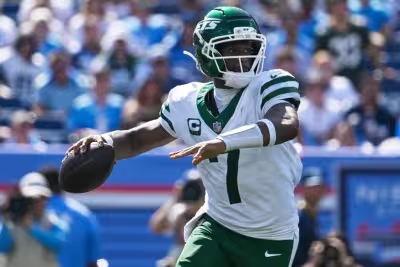
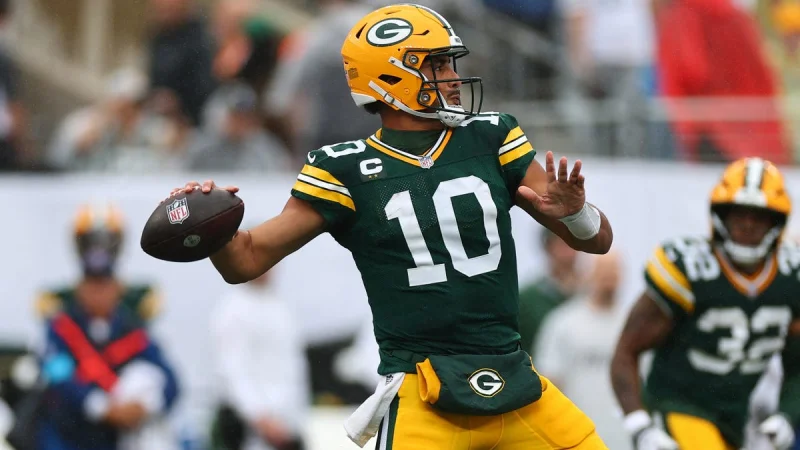
That matters now because the rules are front and center whenever a game reaches the extra period, including the Green Bay Packers and the New York Jets after regulation ended tied at 17. A coin toss decides who gets the first possession, and after each team has had the ball, the side with more points wins.
For readers trying to sort out the NFL overtime rules 2026, the key point is that the regular-season format has not budged from 2025, and the postseason procedure has been unchanged since 2022. The league still gives each team a shot with the ball, then lets the clock do the rest if neither side pulls ahead.

There is one wrinkle. Both teams are guaranteed a possession, except when the kicking team scores a safety during the receiving team's first possession. In that case, the usual back-and-forth is cut short because the safety ends the game on the spot. Outside that rare sequence, if the score is still tied after one possession each, the next team to score wins.
That structure is part of why ties remain unusual, but they are not impossible. One game ended in a tie during the 2026 season, and the most recent Week 1 tie came in 2022. The season-opening NFL Kickoff Game has never ended in a tie, which leaves the clearest answer for a game like Packers-Jets: the extra period starts with a coin toss, and if nobody breaks the deadlock in 10 minutes, the result is a tie.
Jordan Love got a chance to launch a potential game-ending Hail Mary at the end of regulation, only for Kingsley Enagbare to sack him and send the game on. That is the edge of the rulebook in real time: one play can push a game into overtime, but once it gets there, the clock, the possession rules and the tie clause take over.