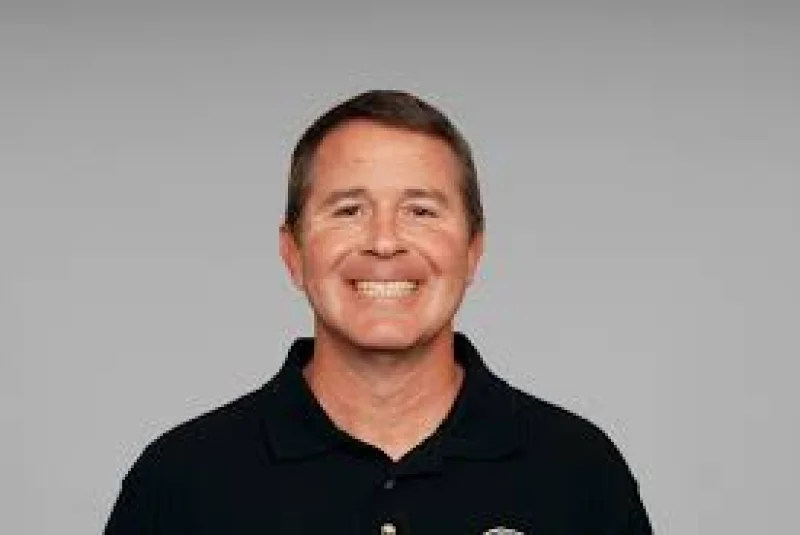
Frank Gansz Jr., the St. Louis Battlehawks' special teams coordinator, has died at age 64, a loss the United Football League and the Battlehawks are mourning today. The news removes one of the league's most experienced assistants, a coach who brought more than four decades of work to St. Louis.
Ricky Proehl, who worked with Gansz again on the Battlehawks' first coaching staff after playing for the 1999 Super Bowl champion St. Louis Rams, is now among those left to measure what that experience meant. For a team still shaping its identity, Gansz was one of the steady figures who connected its present to a wider football past.
Gansz's coaching career reached across college football, the NFL and spring football. He was a four-year defensive back at The Citadel and graduated in 1985 with a bachelor's degree in history, then moved into a career that included stops with the Oakland Raiders from 1998 to 2000, the Kansas City Chiefs from 2001 to 2006 and the Baltimore Ravens from 2006 to 2008. He also spent five seasons as the tight ends and special teams coach at the University of Houston from 1993 to 1997, and coached at UCLA, SMU, West Point, the University of Pittsburgh and Kansas.

His Kansas City run produced some of the clearest evidence of his value. Under Gansz, Dante Hall earned consecutive Pro Bowl selections in 2002 and 2003. The Chiefs led the NFL in both punt return average and kickoff return average in 2003, when Hall scored four special teams touchdowns and set a franchise record with 2,446 combined net return yards.
But the fuller picture of Gansz's career was harder to pin to numbers. He worked in roles that demanded detail, patience and repetition, and he had a reputation for bringing energy to the sideline. He believed football was built on principles that extended beyond the field, including staying aggressive under pressure, making confident decisions, holding to discipline and showing resilience. That was the standard he carried into every stop.
The unanswered part is the one his colleagues are now left with: what caused his death was not disclosed. No replacement or public service details have been announced, leaving the Battlehawks to absorb the loss of a coach whose influence stretched from The Citadel to Kansas City and back again to St. Louis.