


Baseball’s next free agency period is projected to open five days after the 2026 World Series ends, a narrow window that could make the whole winter feel rushed before the current labor deal runs out. The sport may be headed into free agency only to slam into a lockout.
That is why this forecast is drawing attention now. The current collective bargaining agreement expires at 11:59 p.m. ET on Dec. 1, and a lengthy lockout is expected to follow, which would change how quickly teams and players move once the market opens. The clock matters because the offseason would not just be about money; it would be about getting a deal done before the calendar turns against everyone.
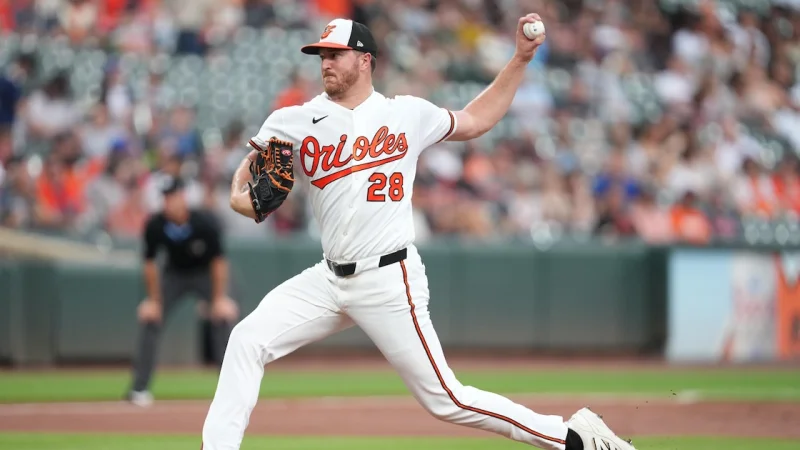
The names already on the board show how much can change in a short span. Bo Bichette could opt out of the two years and $84 million left on his contract, though he is viewed as a maybe and is likely to stay with the Mets for at least one more year. Clay Holmes has a one-year, $12 million player option he will almost certainly decline, and with 44 starts in his MLB career and 117.1 IP in 2026, he could be priced into a two-year, $50 million deal with a club option for a third season. He will turn 34 right around Opening Day, another reminder that the market will be trying to balance age against production.
There is also a sharper edge to the list. Corbin Burnes is still recovering from Tommy John surgery, even though he could walk away from the four years and $140 million left on his deal, and that injury makes it hard to see him approaching the value of his remaining contract. Sonny Gray turns 37 this November, Robbie Ray is about seven weeks away from turning 35, and both are having stellar 2026 campaigns; Ray could land four years and close to $100 million. Brandon Lowe, already 32, has homered at least 21 times in four straight seasons and carries a career OPS of.807, while Ryan Jeffers brings a productive four-year run and an OPS of nearly.800 into a market where top catchers usually top out around a $15 million AAV on long-term deals.
Ian Happ may be the clearest reminder that the winter will not reward everyone in the same way. He is soon to be 32 and is batting.186 with five home runs over his last 57 games played, even while he could be headed for a fifth consecutive Gold Glove. Jazz Chisholm Jr., Luis Arraez and Gleyber Torres are also listed as available, and each is still before his 30th birthday, which means the class will stretch from prime-age bats to veterans whose leverage depends on timing as much as talent.
That timing is the real story. If the lockout arrives as expected after Dec. 1, the first wave of deals could have to get done fast, before the labor fight freezes the market or forces players and clubs to wait out the calendar. The next fixed date is the expiration of the collective bargaining agreement, and everything in this winter points back to that deadline.
