


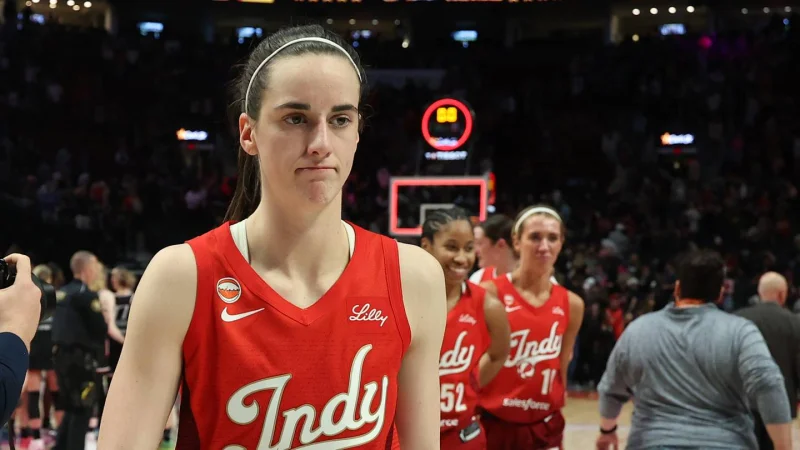
Caitlin Clark did the hard part on offense and still left with a loss. The Indiana Fever shot 57% from the field and 46% from deep, got 19 points and 10 assists from Clark and 37 points from Kelsey Mitchell, yet fell 109-100 to the Minnesota Lynx after giving up 11 offensive rebounds.
That is why Clark’s postgame comments matter now. The Fever were trying to stretch their win streak to six games, and instead Clark pointed straight at the possession game that beat them. She said the offensive rebounding “really hurt us” and that it started with her, then added that she believed her player got at least four offensive rebounds and that she needed to be better in that area.
The numbers back up the complaint. Indiana was outrebounded 11-5 on the offensive glass, and the sequence that opened the game up came early in the second quarter, when Maya Caldwell collected her first offensive rebound after Antonia Delaere missed a 3-pointer. Caldwell slipped behind Clark’s back, grabbed the ball between Clark and Sophie Cunningham, reset the possession and set up a Dorka Juhasz layup.
Clark spent a lot of time guarding Caldwell while she was on the floor, and that is part of what makes the breakdown so specific. Clark said one player got at least four offensive rebounds, and the facts show Caldwell had four in all. That means Clark was not speaking in generalities after a one-off lapse; she was describing a repeat problem on her side of the floor that directly fed Minnesota’s extra chances.
The matchup also cuts against Indiana’s usual profile. The Fever typically allow 7.9 offensive rebounds per game, while the Lynx average 9.8, so Minnesota arrived with a clear edge on the glass and used it. That edge is not going away soon, either. Seven of Indiana’s next ten games are against teams that currently rank top ten in offensive rebounds per game, with the Atlanta Dream leading the league in that category. For a team that can score efficiently and still lose when it does not finish possessions, the message from Clark was plain: the next step is not more shot-making, but better boxouts.
