


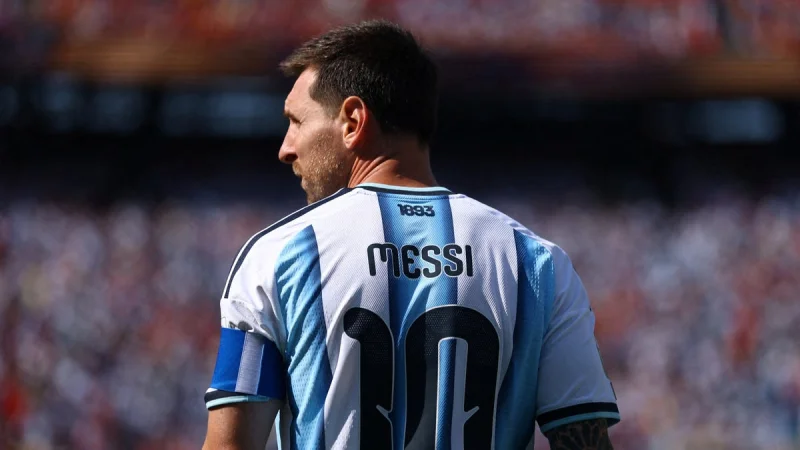
Spain and Argentina will not be allowed to walk away from the World Cup final with a draw. If the match is level after 90 minutes plus stoppage time on Sunday July 19 in New York/New Jersey, it keeps going until FIFA gets a winner.
That is the rule that matters now because the final is set, and Messi’s last World Cup match is inside it. Spain is chasing a second World Cup, while Argentina is trying to win back-to-back trophies, which gives the game a clean yes-or-no answer even before a ball is kicked: somebody lifts the trophy, and somebody does not.
Once the tournament reaches the knockout stage, every game must produce a winner. If two teams are level at the end of regulation, the match does not end there. It moves to 30 minutes of extra time, and teams play the full period even if one side scores during it, because there is no golden goal in the current format.
If the score is still tied after extra time, the final is decided by penalties. The shootout starts with five kicks each. If that is still not enough, it goes to sudden death. If the score remains level after all 11 players have taken a penalty, including the goalkeepers, the order repeats until one side pulls ahead.
That is the part that strips the drama down to its sharpest form. The World Cup final can be tied on the clock, but it cannot finish that way. Spain and Argentina can reach the end of regulation level and still leave with no champion decided, but only for as long as it takes to settle the match the way the rules require.
For Messi, that means the last World Cup match will not hinge on regulation time alone. If Spain and Argentina are level on Sunday July 19, the final continues into extra time and, if needed, penalties. The draw is only temporary; the trophy is not.
