


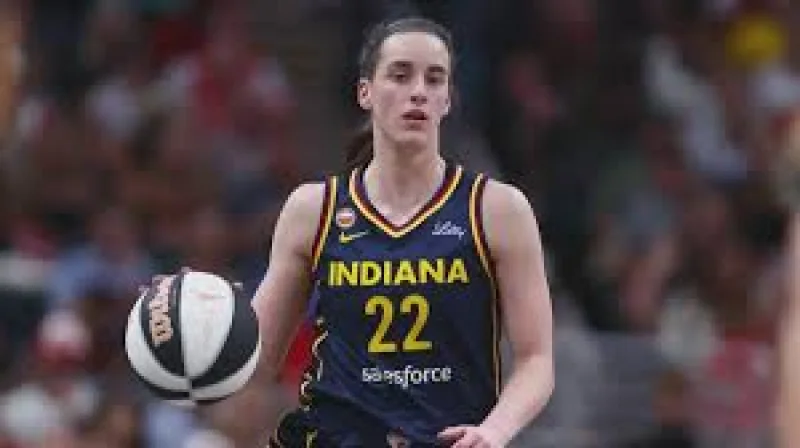
Eleven members of the House Republican Study Committee have sent a letter to WNBA Commissioner Cathy Englebert asking how the league is handling physical play against Caitlin Clark, turning a court argument into a congressional one. They want answers by July 24.
The request lands now because Clark has become the face of a league that is drawing far more attention than it did a year ago, and because every hard foul against her now lands in a larger debate over fairness, safety and money. She has helped push WNBA ticket sales higher and lifted women’s basketball television ratings to unprecedented levels, which makes the question of how she is treated on the floor harder for the league to ignore.
The letter says Clark has been hip-checked, poked in the eye and struck in the throat during games. It came two weeks after the June 24 play in which Alyssa Thomas made contact with Clark’s throat with her fist, a sequence the league later upgraded to a flagrant foul and punished with a one-game suspension. Thomas called it a complete accident, while later saying she had received death threats after the incident.
That contrast is what keeps the story alive. Clark is not just any player in this conversation. She was the No. 2 vote-getter for next week’s All-Star Game and was ranked 11th among league guards by her fellow players, a reminder that her popularity with fans has not erased the skepticism some players still have about her place in the league’s hierarchy. At the same time, Clark and Stephanie White condemned the threats aimed at Thomas, drawing a line between hard basketball and abuse.
The WNBA has not publicly responded to the letter, and the Fever said neither Clark nor team officials had been in contact with the congressional group and were unaware of it before it was released. Fever officials have said in public comments and in ongoing dialogue with the league that player safety must come first. What happens by July 24 will show whether the league answers this as an officiating dispute or as something bigger, because the longer it waits, the more the debate will be defined by Congress instead of the WNBA.
For Clark, the larger argument keeps circling back to the same point she has tried to make in public: she is not a robot, she is 24 years old, and she is still trying to navigate a lot. That is what gives the letter its force and its danger. It is not only asking how the league calls a foul. It is asking whether the WNBA can protect its biggest draw without letting the conversation around her harden into something even uglier.
