


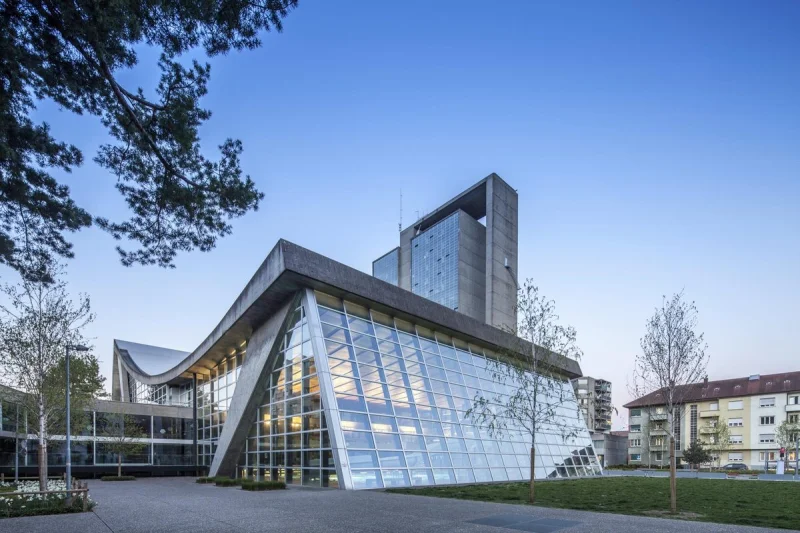
The 59th Biel Chess Festival will run from 11 to 24 July 2026, with a simultaneous exhibition set for 10 July as the opening act. The festival’s 59th edition will again mix invitationals and opens, but this time the schedule is already clear: Masters, the Generations Challenge and two ACCENTUS Chess960 tournaments sit at the center of the two-week program.
That matters now because players are already looking at where they fit in. The open tournaments will accept participants of any level, age, occupation or origin, and the festival says it will welcome players from around forty countries. In one hall, amateurs can sit alongside Levon Aronian or Alexandra Kosteniuk, which is part of what has kept Biel relevant well beyond the elite board.
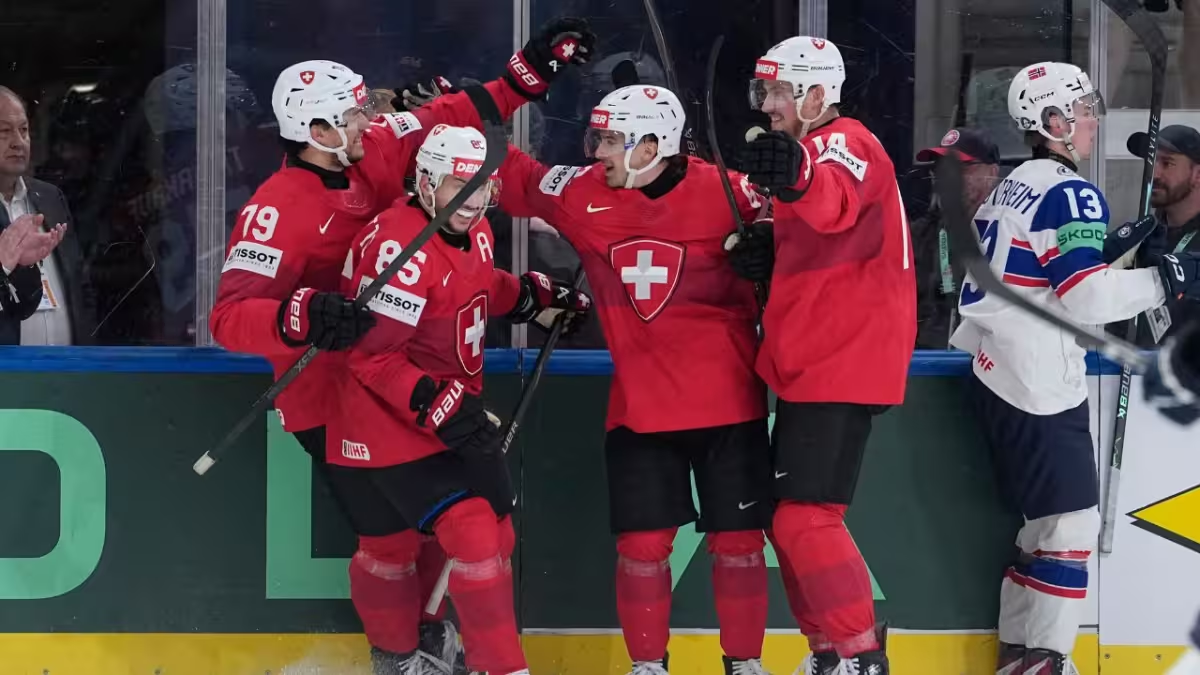
The invitationals are being reshaped too. Laurent Freyd is taking over as head of the invitational tournaments, and the Generations Challenge replaces the Challengers this year. The festival’s open side is broad enough to absorb almost any kind of chess trip: the MTO runs 10 rounds in 11 days, the ATO runs 9 rounds in 10 afternoon sessions, and the most ambitious chess players can stack Freestyle Chess in the morning of the first week, classical games in the afternoon, and Total Chess in the morning of the second week.
That last format is where Biel’s influence becomes harder to ignore. Total Chess, invented in Biel in 2019, is played against the same opponent in three consecutive time controls: rapid, blitz and fast standard. It was until now reserved for top players, but FIDE is testing it more widely. Paul Kohler said he strongly advised FIDE a few years ago to consider the format, and he argued that, given the absurdity of many classical world championships being decided in rapid and blitz tiebreaks, the governing body now seems to want to adopt the idea without naming its inventor, which is why the term Total Chess has replaced the original designation, chess triathlon.
For Biel, the friction is part of the story. The festival is presenting itself as sporting, cultural and cosmopolitan, and it has the schedule and scale to support that claim, with up to 50 games possible in two weeks for players who take on the one-day events. What remains unresolved is who exactly will be entered in the 2026 Masters and the rest of the invitational field, but the framework around them is already in place and the countdown to 10 July has started.
