


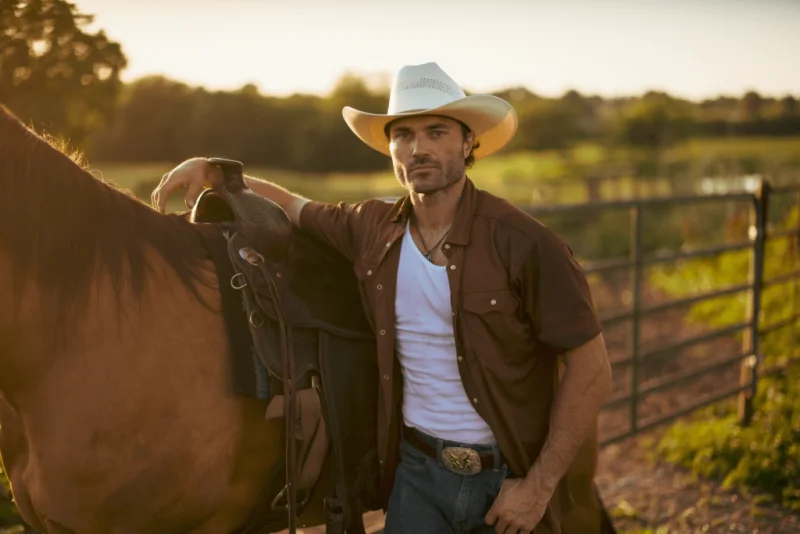
Steven McBee Jr. did not wait for the beef system to change around him. The 33-year-old has spent years building McBee Farm & Cattle Co. into a business that now includes a snack stick brand, its own production facility, a meat processing plant and a fulfillment center on the family farm in Gallatin, Missouri.
That matters now because McBee’s move lands as Washington is investing up to $500 million to strengthen small and midsize meat processors, a sign that the bottleneck he has been working around is finally drawing federal attention. For McBee, who works alongside his father, Steve Sr., and brothers Jesse, Cole and Brayden, the point was not to wait for relief from the market. It was to own more of the path between the cattle and the customer.
The family had been circling the snack-stick idea since 2017, then launched the first brand in 2020. A production facility followed two years later, and in 2023 the company bought its own meat processing plant. After months of upgrades, the plant earned federal inspection and SQF certification, which allowed the operation to move from outside processing into a system it could control itself.
McBee said the family wanted more control over its future, and the business has been built around that idea ever since. His view is blunt: ranchers are usually told to raise cattle, sell them into the commodity system and accept the price that comes back. McBee and his family chose a different route, adding branded, shelf-stable products and farm-based fulfillment so every order now ships from the same place the cattle are raised.
That shift also reflects the size of the squeeze on independent producers. In the early 1970s, the four largest beef packers controlled about a quarter of the U.S. market. Today, those same four handle roughly 85 percent of U.S. beef processing, leaving far less room for a family ranch to shape what happens after the cattle leave the farm. Building their own processing chain gave the McBees a way to keep more of the value they create instead of sending it all into the commodity system.
There was nothing polished about the buildout. McBee said the family had to become beginners over and over, and that there was no shortcut as each new part of the business came with its own learning curve. On The McBee Dynasty: Real American Cowboys, which premiered in 2024, viewers saw the family building in real time, with the equipment failures and expensive lessons left in the story instead of edited out.
The larger question is not whether the company has found a better model, but how big that model can become. McBee has not said where the next expansion will land, but the structure now in place tells the story: the cattle, the processing plant and the fulfillment center are all tied together, and each step was funded by the one before it.
