


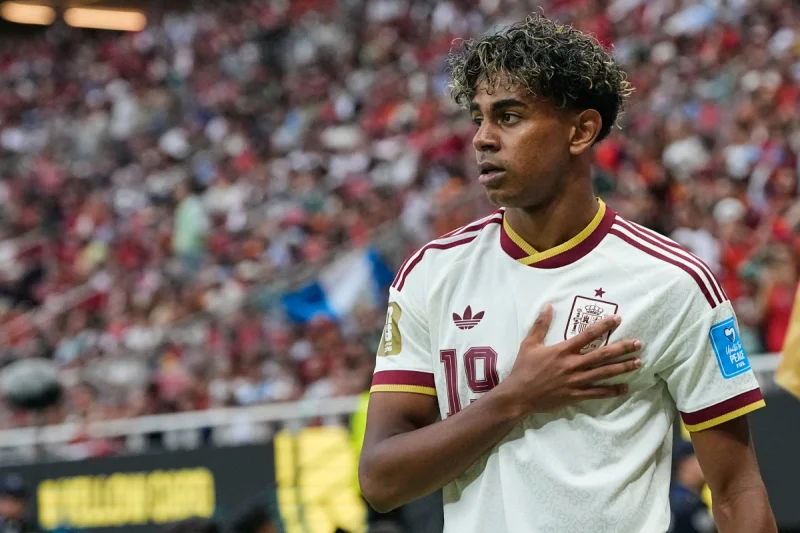
Granit Xhaka will lead Switzerland into its World Cup round of 16 against Colombia on Tuesday evening in Vancouver, with the captain’s armband back on his sleeve and another milestone in reach. At 33, he is again the face of the Nati at the moment when the tournament gets sharper.
That is why his name is being searched now. Xhaka crossed 150 caps during Switzerland’s 2-0 win over Algeria in the round of 32 and became the most-capped player in Swiss national team history, overtaking Xherdan Shaqiri’s mark. He also had 63 line-breaking passes in the tournament, tied with Rodri for the top spot among the most prolific midfielders in that category. For a player who debuted for the Nati in June 2011, the numbers underline how central he has become.
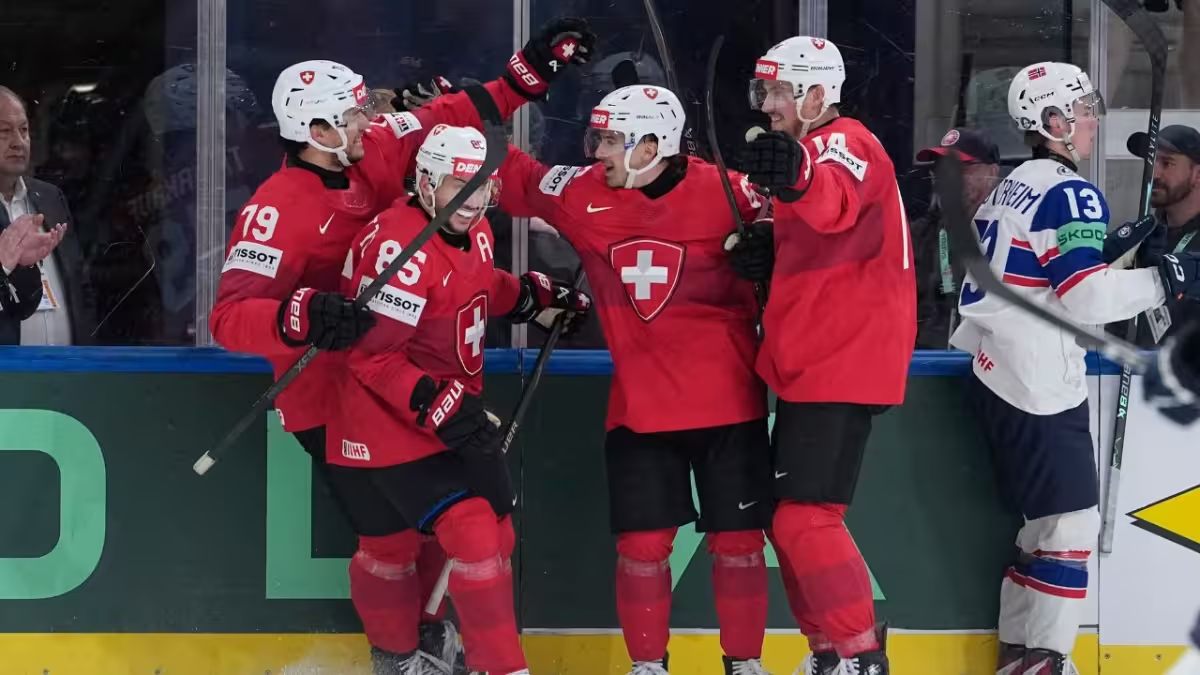
The record is not just about longevity. It is about control, and about how much Switzerland still leans on him when the game tightens. Murat Yakin has called Xhaka his most important confidant and said he was the conductor on the pitch after the frustrating draw against Australia in a World Cup warm-up. Yakin also said Xhaka led the team to victory after that criticism, a reminder that the coach sees his captain as more than a passer or a tackler.
That authority has never come without friction. Blick said there was a toxic atmosphere created by the captain within the squad after the frustrating draw against Qatar in the World Cup opener, and Xhaka has not denied that he sometimes feeds the cycle. He said such articles were also “a bit provoked by me.” He has mocked critics before, too, celebrating a goal with a gesture aimed their way in the 4-1 win over Bosnia-Herzegovina. Even now, the old split remains: indispensable leader on one side, frequent target on the other.
Xhaka has been blunt about what that means. He said criticism “hurts” and that it is “not always easy” to live with, adding that he would be lying if he said it all went in one ear and out the other. What he wants, he said, is to feel that the team and the coach are behind him. On Tuesday, Switzerland will ask the same man to carry that weight again, and the next step in its World Cup run may depend on whether his authority in the middle still matches the pressure around him.
