


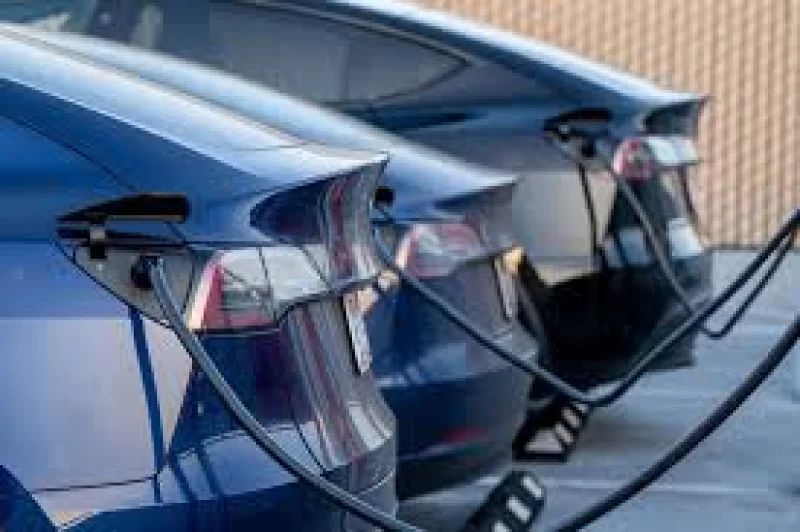
Stanford University researchers found that EV batteries last roughly 40% longer in real-world driving than earlier laboratory testing suggested, a result that cuts against a belief that has shaped how buyers and manufacturers think about electric cars. The finding, published last year, suggests the battery pack may not be the part that ends an EV’s life first after all.
That matters now because battery life remains one of the biggest questions hanging over EV adoption, and it goes straight to the cost of owning one. Buyers worry about how long a battery will last, what it will cost to replace, and how much a used EV will be worth when it is time to sell.
The Stanford University team analyzed data from hundreds of EVs over several years and found that everyday driving patterns slow battery degradation more than controlled lab tests do. Varied charging habits, temperature swings, and stop-and-go traffic all appear to ease the wear in ways that lab conditions do not capture, which helps explain why the real-world results ran longer than the test-room expectations.

That is where the study runs into the old assumption. For years, the common view was that EV batteries would fade steadily and eventually become the limiting factor in a vehicle’s lifespan, with costly replacement looming after about a decade or so. The new findings challenge that outlook by showing that batteries can hold up longer in the conditions people actually drive in, not just in a controlled setting.
The shift could ripple through the market. Longer-lasting batteries can improve resale value for used EVs, and the study suggests automakers may respond by extending warranty periods or putting battery longevity at the center of how they sell electric cars. Lucid Motors, NASDAQ: LCID, was cited as a recent example in the discussion, underscoring how closely manufacturers are watching battery durability as a competitive issue.
For buyers, the practical message is simple: the battery may be less fragile, and less short-lived, than many had feared. What remains unresolved is the exact mileage or service life an average EV battery can now be expected to deliver in practice, but the direction of the evidence is clear enough to change how the market talks about ownership risk.
