


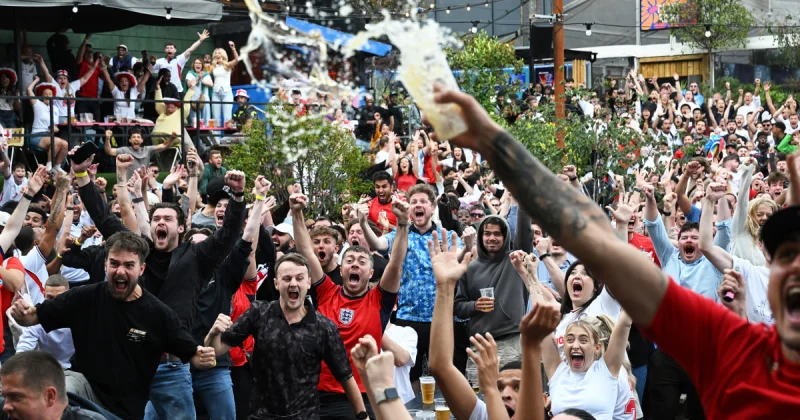
Outgoing Prime Minister Keir Starmer has opened the door for pubs and bars across England and Wales to stay open until 5 a.m. for England's World Cup match against Mexico, a one-night change that rewrites the usual 11 p.m. cut-off. The game kicks off at 1 a.m. Monday in Britain, and the emergency legal measure means fans can watch through the early hours instead of being pushed out before the final whistle.
That is why search interest around Mexico Vs England Time is rising now: the match is not just another fixture, it lands deep in the night and forces a choice between sleep, work and the pub. Starmer framed the move as a way to let supporters enjoy the game and keep venues busy, while the British Beer and Pub Association said pubs would be over the moon and the Night Time Industries Association called it a significant boost to hospitality businesses.
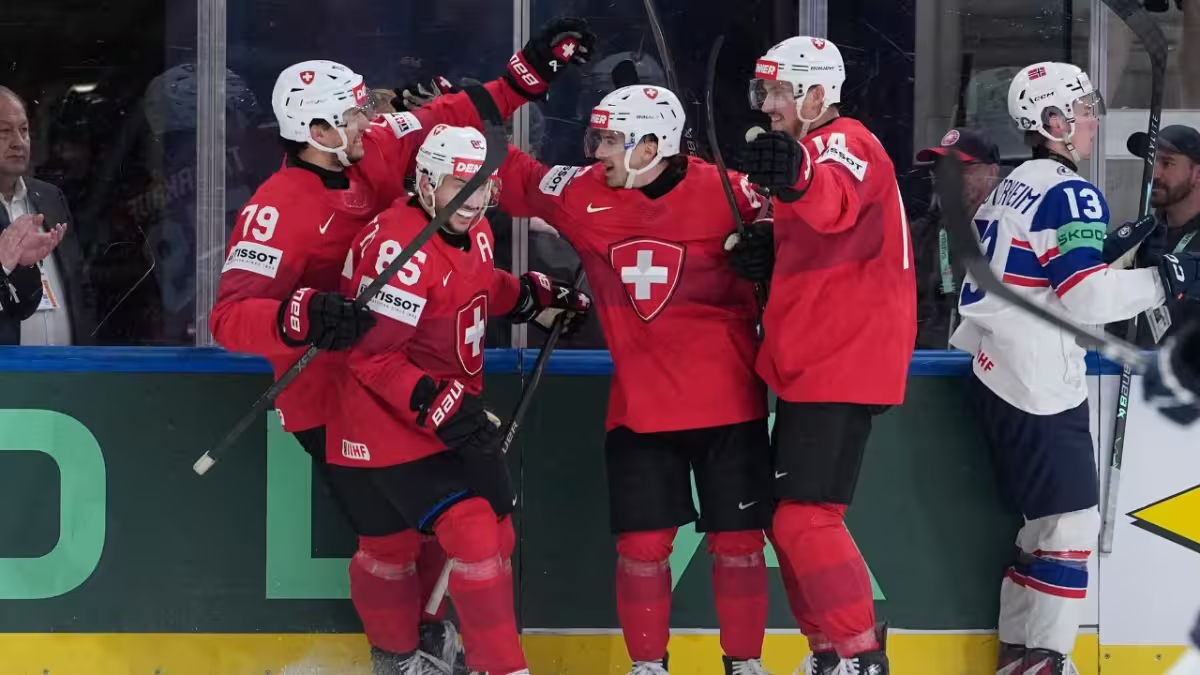
The government had already loosened the rules once for the tournament, allowing pubs to stay open until 2 a.m. for England and Scotland matches, but this game goes further because kick-off is at 1 a.m. and a penalty shootout could keep it running past 4 a.m. in England. Starmer's spokesperson ruled out closing schools on Monday morning, even as Thomas Tuchel told parents they should write an excuse for school and let children watch football.
The late opening has also revived a harder argument that sits behind the celebration. The National Police Chiefs’ Council warned that knock-out games bring more violent incidents and more domestic abuse, both tied directly to alcohol consumption. That warning lands at the same moment the government is asking venues to keep serving longer, turning a football night into a test of how far Britain is willing to stretch normal rules for a single match.
Baroness Smith captured the mood and the contradiction in one line, saying all of us need to go into work on Monday to celebrate England's victory against Mexico. That confidence may please supporters, but the real measure comes after the final whistle: whether the country treats this as a one-off exception or the start of a longer habit of bending the clock around England's biggest games.
