Plymouth Superior Court Judge Mark C. Gildea paused discovery on Wednesday in the Karen Read wrongful death suit after an apparent leak of impounded medical information about Michael Proctor. He told attorneys that leaking confidential material threatens the integrity of the entire judicial process and warned that the pause could become permanent if the rules are not followed.
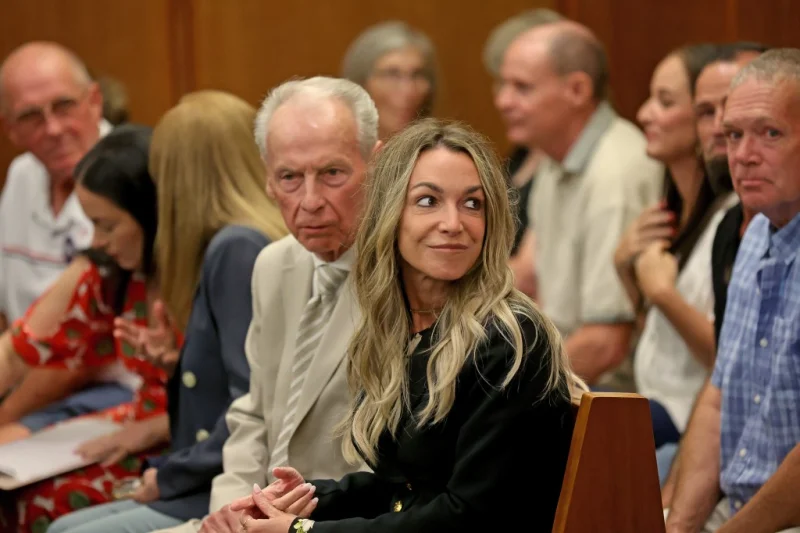
Read, who was acquitted in a second criminal trial last year after the first jury deadlocked, attended the hearing in Plymouth with her parents while the civil case tied to John O’Keefe’s family moved under a sharper glare. The dispute centers on Proctor, the former Massachusetts State Police trooper whose deposition in the wrongful death matter was delayed after he filed an emergency motion citing medical documentation, and the court granted an impoundment order to keep those records sealed.
That seal did not stop the information from spreading. About 30 minutes after the sensitive and private medical material was filed and emailed to attorneys on June 8, similar information appeared on an X account, even though the court had already ordered the records impounded. Gildea said orders of the court had been violated, either directly or at the very least in spirit, but he did not spell out what was shared or identify who posted it.

The judge’s response carried an edge that was as much about discipline as it was about the leak itself. He said he called the in-person hearing to deliver the message in the quiet solemnity of the courtroom, and urged lawyers not to try to shape the case on social media. He also made plain that trial lawyers belong in court, not in the online noise surrounding the case.
The pause matters because the wrongful death suit is one of several civil proceedings in a legal saga that has already spilled far beyond the courtroom. Proctor was fired from the Massachusetts State Police for misconduct after Read’s first trial, and Read filed another lawsuit against the Massachusetts State Police and the Town of Canton one day before Proctor sought to delay his deposition. That separate complaint cited hateful messages recovered from Proctor’s personal phone, including comments in which Proctor and Sean Goode expressed bigoted views of women, Jewish people, the LGBTQ+ community and other marginalized groups.
Gildea had already found Proctor had a legitimate expectation of privacy when he granted the impoundment request. Now he is testing whether the lawyers around the case can live with the same restraint. If they cannot, the judge has signaled that the discovery stoppage may not be temporary at all.