


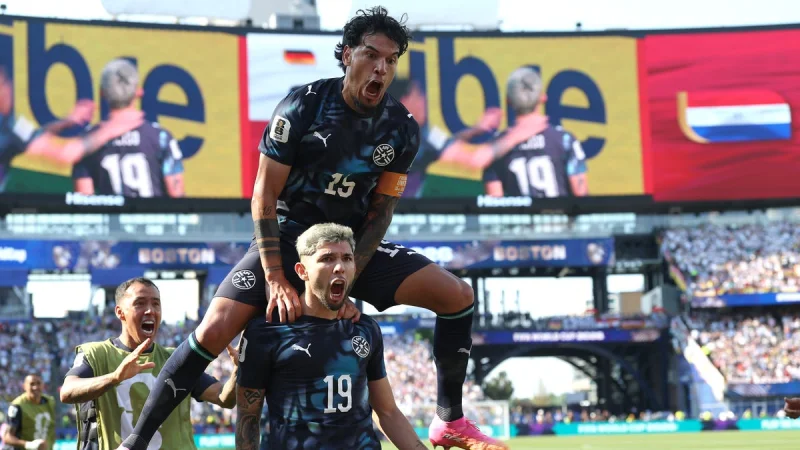
The 2026 FIFA World Cup round of 16 is already taking shape, and the next knockout stage begins on Saturday, July 4. Eight teams have secured places, with Canada the first to punch its ticket and Brazil among the latest to join the bracket after a 2-1 win over Japan in Houston.
That is why How Long Is A World Cup Game is getting attention now. In the knockout rounds, a match can run long enough to change a team’s entire path, and this stage has already shown it. Canada advanced 1-0 over South Africa in extra time. Brazil had to come from behind after Kaishu Sano put Japan ahead in the first half, Casemiro leveled early in the second half and Gabriel Martinelli finished the job.
The field is moving fast, and the bracket is sharpening with every result. Mexico advanced with a win against Ecuador, while Germany and the Netherlands both went out after 1-1 draws that were settled on penalties — Germany falling to Paraguay in Boston and the Netherlands losing to Morocco in Guadalupe, Mexico. Those exits are a reminder that a game can last far beyond 90 minutes and still end with nothing separating two teams.
Under standard conditions, a World Cup game lasts 90 minutes, split into two halves. If the score is tied in the knockout rounds, extra time is used, and that adds two 15-minute periods. If it is still level after that, penalties decide it. That is the structure that has already carried Canada through, pushed Brazil to the edge, and sent Germany and the Netherlands home.
The round of 16 starts with Paraguay against France, followed by Canada against Morocco, both on Saturday, July 4. More places are still to be settled, but the shape of the next round is clear enough now: the games are longer, the margins are thinner and one mistake can send a team from the bracket to the exit.
