


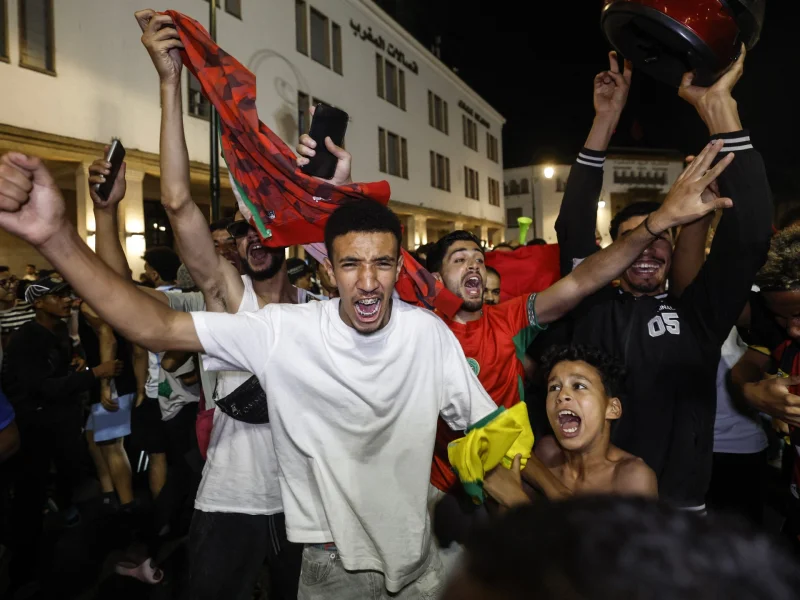
When a knockout match ends level after 90 minutes, soccer does not leave the result hanging. It adds 30 minutes of extra time, split into two 15-minute halves, and if the teams are still tied after that, the match goes to penalties.
That matters now because the 2026 World Cup knockout stage will follow that same path. The tournament’s group-stage games can end in a draw, but once the bracket reaches the rounds where a winner has to be found on the day, there is no room for a shared result.
There is a reason the format is built the way it is. Extra time is long enough to give both sides a fair chance to settle a match with open play, but short enough to avoid stretching one game into something that looks endless. In practice, that means 120 minutes of football if the match stays level through regulation, plus the possibility of penalties if neither team breaks through. Each side is also allowed an extra substitution in extra time, which raises the total to six changes across the full match.
The finish can still turn on one kick. In a penalty shootout, five players from each side take the first five spot kicks. If the score is still tied after those ten attempts, the shootout turns to sudden death. From there, the first team to score when the opponent does not score wins. It is a neat mathematical answer to a messy sporting problem, but not always a dramatic one. Extra time is supposed to stop stalemates, yet it can also produce tired legs, cautious passes and long stretches that test patience more than nerves.
Stoppage time is something different. It is added to the end of each regulation half to make up for substitutions, celebrations, time-wasting, treatment for injured players and hydration breaks. At the previous World Cup in 2022, FIFA referee chief Pierluigi Collina told officials to add more time than usual because matches averaged more than 100 minutes. This World Cup also introduced mandatory three-minute hydration breaks in the middle of each half, another reminder that the clock in soccer is rarely as simple as the number printed on it.
The most famous recent example came in the 2022 World Cup final in Qatar, which was tied 2-2 after 90 minutes before extra time pushed it into a 120-minute match. Lionel Messi scored his second goal in the 108th minute, Kylian Mbappe answered with a penalty 10 minutes later, and Randal Kolo Muani was denied a winner by an Emiliano Martinez save. It was proof that extra time can create a classic. It was also proof that it can leave a final decided by the thinnest possible margin after a long, draining night.
That is why the rule endures. Knockout matches must produce a winner, and extra time is the bridge between regulation and penalties. The open question is not whether 2026 will use it. It already will. The question is whether the sport ever finds a cleaner way to settle a match that still has the same problem after 120 minutes.
