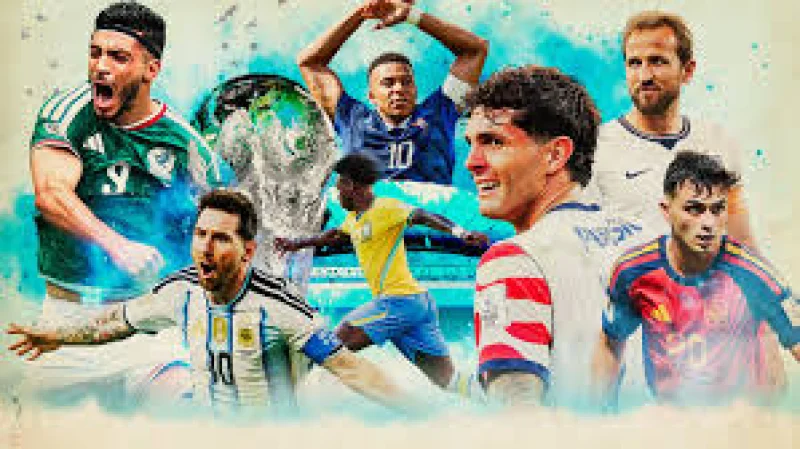
The 2026 FIFA World Cup has moved into the knockout rounds with 32 teams still alive, and the mood has changed with it. The group stage is over, the field has been cut from 48 teams to 32, and every result from here points toward the World Cup final on July 19.
That is why Lionel Messi is at the center of the conversation. Argentina won all three of its group-stage matches, and Messi scored six goals in three games, a run that instantly put him among the names shaping this tournament instead of merely surviving it. France also arrived with nine points after convincing wins over Norway, Senegal, and Iraq, while Kylian Mbappé remains one of the faces of the race for the trophy.
Spain’s path was less clean at the start, opening with a 0-0 draw against Cape Verde before turning the page and advancing. Germany had its own reminder that the bracket can be cruel, losing 2-1 to Ecuador in its final group-stage match, yet still finishing as Group E winners under Julian Nagelsmann. The reward is immediate: Germany opens the knockouts against Paraguay, and there is no margin left to waste.
The shape of the race is now clearer. England finished Group L with seven points, the Netherlands topped its group without losing a game, and Japan and Sweden also moved on from that section. England will lean on Harry Kane, Spain still has Rodri setting the tone with Mikel Oyarzabal and Lamine Yamal as attacking options, and Germany, France and Argentina all enter the elimination phase with the kind of depth that can carry a run deeper into the tournament.
The knockout round was locked in after a record-breaking, history-making group stage, but the standings also left a strange kind of balance: the teams that looked most dominant are not the only ones with a path, and the teams that stumbled still advanced. That is what makes the next rounds feel different from the first 48-team phase. One mistake now ends the conversation, and the bracket will start cutting away the pretenders quickly.
Argentina is being treated as the reigning champion trying to do something no side has done since Brazil in 1962: win back-to-back World Cups. That is a heavy standard to carry, but the knockout stage is where standards are tested. The list of contenders is crowded, the margins are thin, and the next step after the group stage is no longer about looking sharp. It is about surviving one match at a time until July 19.