


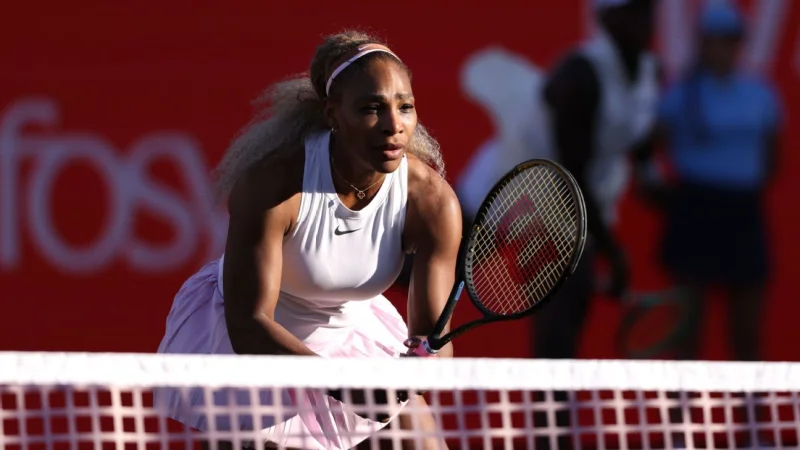
Serena Williams will play women’s singles at Wimbledon for the first time since 2022, returning as a wild card entrant at the same tournament where she is also set to team with Venus in doubles for the first time since 2016.
The 44-year-old’s comeback is drawing attention beyond the court because it lands on the eve of Wimbledon Tennis Championships in London and because she has publicly taken aim at the anti-doping system she must follow to compete. On Sunday, Williams called the process “unprofessional,” “unreasonable” and “grueling,” saying she had not realized how the whereabouts rules work in practice and that a missed test outside the window can still count against a player. “I guess I can’t go pick up my kids,” she said, summing up the pressure of a system built around no-notice testing.

To get back into professional tennis, Williams had to re-enter the anti-doping pool, where players must provide daily whereabouts information so testers can find them without warning. The system has become a flashpoint because it turns ordinary movement into a compliance issue: the International Tennis Integrity Agency says a tester who cannot reach a player during the allocated hour may issue a strike, and three failures can lead to a charge. If the tester misses the player outside that hour, it is not a strike. That distinction matters for someone whose schedule can shift by the hour, and Williams said her family life, travel and work make it difficult to stay pinned down.
The ITIA has said there have been no changes to the whereabouts rules in the last few years and that the system is meant to protect players, not trap them. It also said players with questions can contact the agency directly or through their agents. Williams, who said the process helped keep her away from the sport in the first place, is now back in the draw while the rules around her remain unchanged — and the gap between those rules and a high-profile player’s daily life is the part that still has not been resolved.
Marketa Vondrousova, who won Wimbledon in 2023, was suspended for four years for refusing an anti-doping test, a reminder that the stakes around testing are not abstract. For readers tracking tennis scores and the bigger story around Wimbledon, Williams’ return is not just a nostalgic rerun. It is a test of how far a player can go back into the sport while being asked to live by a system that leaves little room for spontaneity.
