


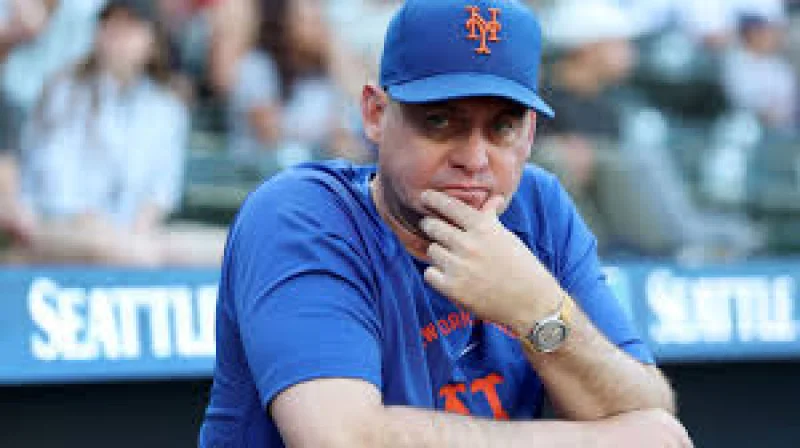
The New York Mets fired Carlos Mendoza on Friday morning, moving on after a week that turned a bad stretch into a full collapse. Andy Green was named interim manager as the Mets tried to stop the slide after losing both games of a doubleheader on Wednesday and then losing again on Friday.
The timing mattered because the Mets were already buried at 34-48, 10 games behind the final wild card, and the latest loss only made the season look more finished. One rough game had already summed up the mess: a 4-3 defeat in which shoddy defense helped hand over four unearned runs, the kind of mistake-heavy baseball that leaves no room to hide.
Francisco Lindor took the hit in public. He said, “We failed Mendy,” and then went further: “I failed Mendy.” That kind of accountability carried weight inside a clubhouse that had spent Thursday in small-group talks and reflection, but had not held a full team meeting after the doubleheader losses. Players said they were not dealing with bad guys; the problem was that the roster never looked like a full group doing whatever it takes to win.
That is where the larger fault line sits. David Stearns built the roster with many new faces and changed nearly the entire coaching staff, trying to remake the team quickly. Injuries to key players and a lack of depth made the lineup unstable, then the problems spread to the mound and into the field. Asked whether continuity played a role in the Mets’ poor performance, Stearns said, “I certainly think it’s possible,” which sounded less like a defense than an admission that the structure never settled.
Green spoke to the group on Friday after Stearns’ news conference, and players said his voice resonated. That may steady the room for now, but it does not answer the harder question the Mets created for themselves: whether this was a managerial failure, a roster failure, or a season built to break under the first real stretch of pressure.
